

Sleep Apnea Treatment in India: Symptoms, Diagnosis and Treatment Options
Understand sleep apnea: symptoms, diagnosis and treatment options in India, including CPAP, oral appliances, lifestyle changes and surgery.
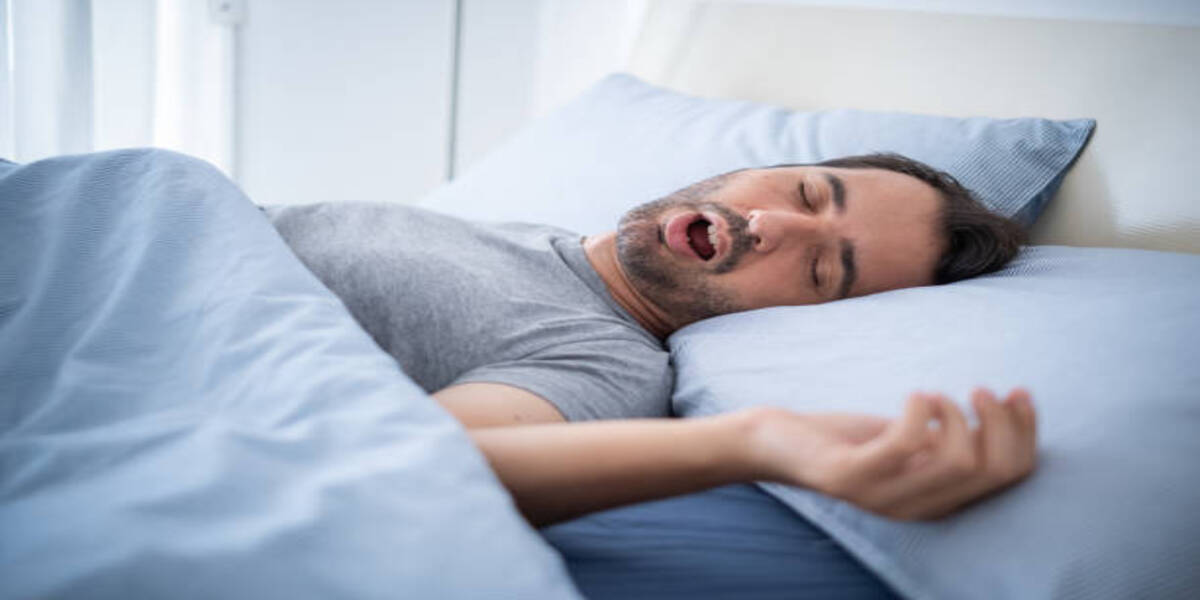
Sleep apnea is a sleep disorder in which breathing repeatedly pauses or becomes shallow during sleep. The most common type is obstructive sleep apnea, in which the airway narrows or closes in the throat. Treatment depends on the type and severity and may include lifestyle changes, a CPAP machine, an oral appliance or surgery, after a sleep study confirms the diagnosis. This guide explains the symptoms, diagnosis and treatment options for sleep apnea in India. Jaw surgery for airway problems is available at Newface, Chengannur, Kerala.
Also read: Snoring Treatment in India, Jaw Surgery in Kerala, Genioplasty in India, Bijaw Surgery
What Is Sleep Apnea?
Sleep apnea is a sleep disorder characterised by pauses in breathing or periods of shallow breathing during sleep. These pauses can last from a few seconds to a minute or more, and can happen many times an hour. Each episode can lower the oxygen level in the blood and disturb sleep. Sleep apnea can lead to excessive daytime sleepiness, poor concentration, high blood pressure, heart disease and stroke if it is not treated.
Types of Sleep Apnea
- Obstructive sleep apnea (OSA): the most common type. It happens when the muscles in the throat relax and the airway narrows or closes during sleep.
- Central sleep apnea: happens when the brain does not send the right signals to the muscles that control breathing.
- Complex sleep apnea syndrome: an uncommon condition in which a person has both obstructive and central sleep apnea.
Who Is Affected by Sleep Apnea?
Sleep apnea can affect people of all ages, including children. Obstructive sleep apnea is more likely in people with:
- Excess weight and a large neck
- Nasal blockage
- A low-hanging soft palate or enlarged tonsils
- A small or receding jaw, or an overbite
- A family history of sleep apnea
- Alcohol use, smoking and the use of sedatives
Symptoms of Sleep Apnea
The main symptoms occur during sleep, so it can be hard to notice it on your own. A bed partner may notice pauses in breathing or snoring.
Main symptoms:
- Frequent, loud snoring
- Pauses in snoring, followed by choking, snorting or gasping
- Daytime sleepiness and tiredness, even after a full night in bed
Other symptoms:
- Waking up with a dry mouth or sore throat
- Morning headaches
- Restless sleep and waking at night
- Waking up short of breath
- Needing to pass urine often at night
- Poor concentration, irritability or low mood
When to See a Doctor
See a doctor if you snore loudly and often, if someone sees you stop breathing while asleep, or if you are very sleepy during the day. Sleep apnea is not something to ignore, because it can affect the heart and blood pressure and increase the risk of accidents from drowsy driving.
Causes of Sleep Apnea
Obstructive sleep apnea is caused by narrowing of the upper airway during sleep. This can be due to the structure of the airway, such as a narrow throat, enlarged tonsils, a long soft palate, a large tongue or a small jaw, or to excess weight around the neck, nasal blockage and relaxation of the throat muscles. Central sleep apnea can be linked to conditions such as heart failure, stroke or the use of certain medicines. A specialist helps find the type and cause.
How Is Sleep Apnea Diagnosed?
Diagnosis starts with your history and symptoms and an examination of the nose, mouth, throat and neck. The main test is a sleep study (polysomnography) done in a hospital or sleep centre, or a home sleep test in some cases, which records breathing, oxygen levels and sleep. It shows whether you have sleep apnea, which type, and how severe it is. Imaging or a camera examination of the airway may be done to find the site of the blockage.
Sleep Apnea Treatment Options in India
The treatment depends on the type and severity of sleep apnea, and on what is causing it. A doctor will advise the right option for you.
- Lifestyle changes: losing excess weight may reduce symptoms in some people, along with quitting smoking, avoiding alcohol and sedatives before bed, and treating nasal blockage. Sleeping on your side instead of your back can help some people.
- CPAP (continuous positive airway pressure): the most common treatment. A machine delivers a steady flow of pressurised air through a mask to keep the airway open during sleep.
- Oral appliances: mouthpieces that hold the lower jaw slightly forward to keep the airway open, often used in mild to moderate obstructive sleep apnea or when CPAP is not tolerated.
- Surgery: considered when other treatments do not work or are not tolerated, or when there is a clear structural cause.
Surgical Options for Obstructive Sleep Apnea
- Nasal surgery: such as septoplasty or turbinate surgery, to improve nasal airflow. It may improve CPAP use but often does not cure sleep apnea by itself.
- Tonsil and adenoid removal: often the first treatment in children whose sleep apnea is due to enlarged tonsils or adenoids.
- Soft palate surgery: procedures such as uvulopalatopharyngoplasty (UPPP) remove or reshape tissue in the back of the throat to widen the airway. Results vary.
- Tongue and chin procedures: surgery to move the tongue attachment forward, such as a genioplasty with advancement of the tongue muscle, may be considered in selected cases.
- Maxillomandibular advancement (jaw surgery): both jaws are moved forward to enlarge the airway. It is an option in selected people with moderate to severe sleep apnea, especially when the jaws are small or set back. Read more about bijaw surgery and corrective jaw surgery.
There is no single treatment that works for everyone, and no treatment can be guaranteed to cure sleep apnea. Results vary, and ongoing follow-up is needed.
Central Sleep Apnea
Central sleep apnea is treated differently, and often involves treating the underlying condition, with medicines or devices chosen by a specialist.
Risks of Untreated Sleep Apnea
Untreated sleep apnea is linked to high blood pressure, heart disease, stroke and diabetes. It can also cause accidents and injuries from drowsy driving or falling asleep at the wheel.
Sleep Apnea in Children
Children can also develop sleep apnea, often because of enlarged tonsils or adenoids. They may snore, have restless sleep, breathe through the mouth, or have poor concentration or hyperactivity. Consult a paediatrician, an ENT specialist or a sleep specialist if you suspect sleep apnea in a child.
Risks of Sleep Apnea Surgery
As with any surgery, risks include bleeding, infection, pain, swallowing or speech changes after throat surgery, numbness after jaw surgery, and sleep apnea that continues or comes back. Your surgeon should explain the risks that apply to you. Results are not guaranteed and vary from person to person.
Questions to Ask Your Doctor
- Which type of sleep apnea do I have, and how severe is it?
- What are my treatment options, including those that do not need surgery?
- What are the risks and benefits of each option?
- What follow-up will I need?
- Do I need to change my lifestyle, and how?
Frequently Asked Questions
What is sleep apnea?
Sleep apnea is a disorder in which breathing repeatedly stops and starts during sleep. It can lead to poor sleep quality and increase health risks such as high blood pressure, heart disease and daytime fatigue.
How do I know if I have sleep apnea?
Common signs include loud snoring, gasping for air during sleep, daytime sleepiness, morning headaches and restless sleep. A proper diagnosis usually involves a sleep study (polysomnography) at a hospital or a sleep centre.
Can sleep apnea be treated without a CPAP machine?
Yes, depending on the severity and the cause. Options include lifestyle changes, oral appliances, positional therapy and surgery. A doctor will advise after evaluating you.
What surgical options are available for sleep apnea?
If other treatments do not work or are not tolerated, surgery such as nasal surgery, soft palate surgery, tongue or chin procedures or jaw advancement may be considered, depending on the cause.
Is there a permanent cure for sleep apnea?
There is no guaranteed cure. Some surgeries may reduce airway blockage in selected people, but results vary, and lifestyle measures such as weight loss and avoiding alcohol also matter.
How long does recovery from sleep apnea surgery take?
It depends on the type of surgery. Many people resume normal activities within a few weeks after smaller procedures, and jaw surgery takes longer. Your surgeon will advise.
Can children have sleep apnea?
Yes. In children it is often due to enlarged tonsils or adenoids, and an ENT or paediatric specialist can assess it.
Information provided by: Dr. Mathew P C, [QUALIFICATIONS], Oral and Maxillofacial Surgeon. Registration status: [REGISTERED]. [STATE MEDICAL COUNCIL / NATIONAL MEDICAL REGISTER] registration no.: [NUMBER].
This page provides general health information for education only. It is not a substitute for medical advice and does not promise or guarantee any result. Outcomes vary from person to person.
Newface, 8J4F+X7X, Hatchery Junction, Chengannur, Kerala 689122. Phone: +91 8330077198
Follow Newface: Instagram | Facebook | YouTube