

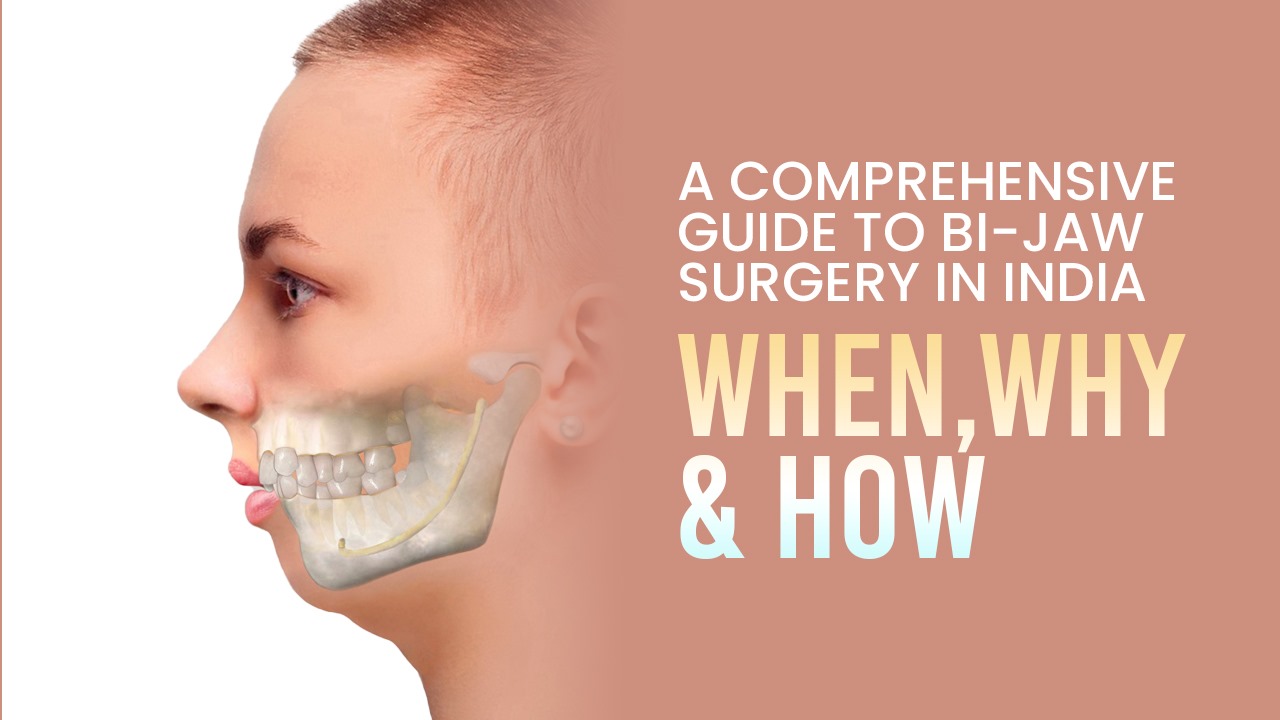
Bijaw (Double Jaw) Surgery in India 2026: Procedure, Recovery and Risks
Understand bijaw (double jaw) surgery in India: who needs it, how it is done, recovery and risks. Jaw surgery in Kerala at Newface.
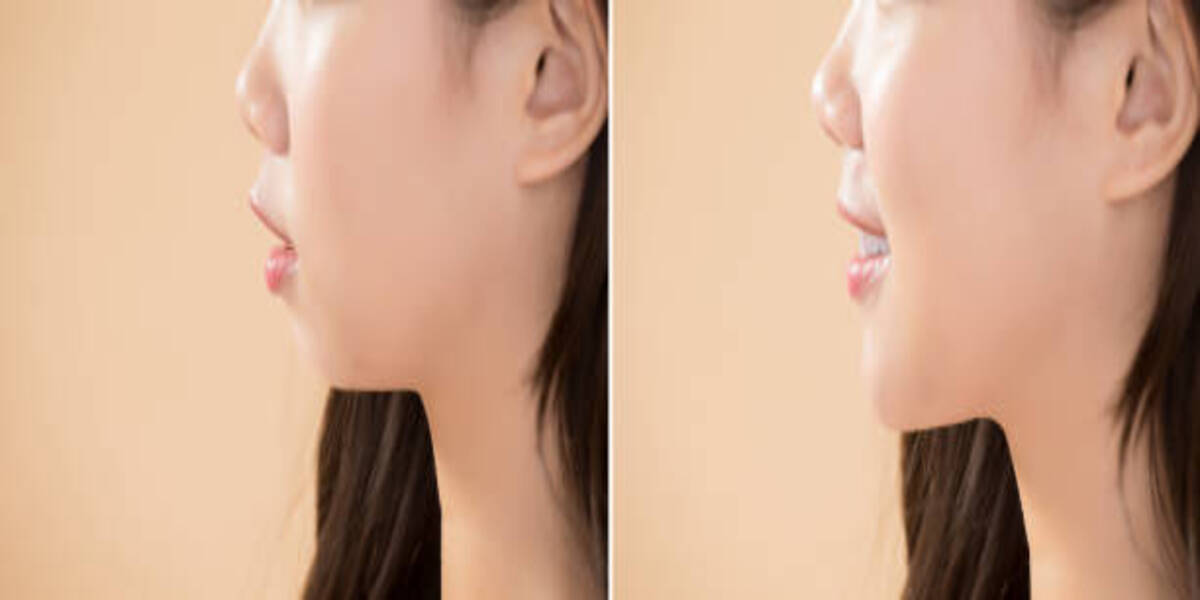
Bijaw surgery, also called double jaw surgery or bimaxillary surgery, is a type of orthognathic surgery that repositions both the upper jaw (maxilla) and the lower jaw (mandible). It is used to correct bite and jaw alignment problems that cannot be treated with braces alone, and it can also improve facial balance. This guide explains why bijaw surgery in India is done, how it works, and what recovery involves. Newface in Chengannur offers jaw surgery in Kerala with Oral and Maxillofacial Surgeon Dr. Mathew PC.
Also read: Jaw Surgery in Kerala, Jaw Surgery in India, Jaw Angle Reduction Surgery, Jaw Implant Surgery in India
Online consultation: +91 83300 77198
What Is Bijaw Surgery?
Bijaw surgery is a corrective jaw procedure that repositions the upper jaw, the lower jaw, or both, to improve how they fit together and how they relate to the rest of the face. It addresses skeletal and dental irregularities that orthodontics alone cannot correct.
Common reasons for bijaw surgery include:
- Jaw misalignment
- Severe overbite, underbite, crossbite or open bite
- Facial asymmetry
- Airway narrowing linked to jaw position, which may contribute to breathing problems during sleep
How Is Bijaw Surgery Done?
The surgeon cuts the jaw bones in a planned way and moves them forward, backward or sideways, depending on the problem. The upper jaw is usually treated with a Le Fort I osteotomy, and the lower jaw with a bilateral sagittal split osteotomy (BSSO). The aim is to improve chewing and speaking and to balance the facial profile.
Because it is a complex operation, bijaw surgery is usually advised when a single-jaw procedure or orthodontic treatment is not enough.
Possible Benefits
- Better jaw function: easier chewing, speaking and, in selected cases, breathing.
- Improved facial balance and symmetry.
- Improved confidence for some patients.
- Stable correction of the bite in most cases, with orthodontic follow-up.
- Easier oral hygiene when teeth line up properly.
Results vary from person to person.
Step-by-Step Process
1. Consultation
Your surgeon reviews your medical history, examines your face and teeth, and arranges X-rays and imaging, which may include 3D imaging, to plan treatment. The expected outcome and the recovery process are discussed.
2. Pre-Surgical Preparation
-
Braces are usually needed before surgery to align the teeth, often for several months.
-
You will receive instructions on diet and on medicines to avoid.
3. The Surgery
-
Done under general anaesthesia.
-
Incisions are made inside the mouth, so visible facial scars are usually avoided.
- The jaw bones are repositioned and held in place with small plates and screws.
- It usually takes about 2 to 5 hours, depending on the complexity.
4. After Surgery
- Swelling and discomfort are expected and are managed with medicines and cold compresses as advised.
- A soft or liquid diet is advised at first.
When Is Bijaw Surgery Advised?
Bijaw surgery may be advised when a single-jaw procedure or orthodontic treatment is not enough to correct the problem. Conditions where it may be considered include:
- Severe jaw misalignment: difficulty chewing or closing the mouth properly.
- Severe bite problems: deep bite, underbite or open bite that does not respond to orthodontics.
- Jaw-related airway problems and obstructive sleep apnoea: in selected cases where the jaw position contributes to the airway narrowing.
- Jaw joint (TMJ) problems: in selected cases where jaw position contributes. Most TMJ problems do not need bijaw surgery, and your surgeon will advise.
Genioplasty With Bijaw Surgery
Bijaw surgery is sometimes combined with genioplasty (chin surgery). Aligning the jaws alone may not always give a balanced profile, so the chin may be reshaped at the same time.
Age and Timing
Bijaw surgery is usually done after jaw growth is complete. This is generally around 15 to 16 years in girls and 17 to 18 years in boys, and your surgeon will confirm this with a growth assessment. In cases of injury or congenital deformity, surgery may be done earlier on a case-by-case basis.
Recovery After Bijaw Surgery
-
Immediately after surgery: you will usually stay in the hospital for a few days. Swelling is common, and pain is managed with medicines. A liquid or soft diet protects the surgical site.
-
Over the next weeks: swelling reduces gradually and solid food is slowly reintroduced.
- Full recovery: can take from about six weeks to several months, depending on the surgery.
- Follow-up: regular visits with your surgeon and orthodontist are needed to monitor healing and adjust braces.
Risks and Complications
As with any major surgery, risks include infection, nerve damage (numbness of the lip or chin), blood loss, complications related to anaesthesia, and the jaw shifting back (relapse). Your surgeon will explain these and how they are managed before you decide.
Who May Be a Candidate?
You may be a candidate if:
- You have a misaligned bite that orthodontics alone cannot correct.
- You have difficulty chewing, biting or swallowing.
- You have sleep apnoea or breathing problems linked to jaw position.
- You want to improve facial balance.
- You are in good general health and have realistic expectations.
Bijaw Surgery Consultation and Planning in India
At Newface, Dr. Mathew PC begins with a consultation that includes an examination and imaging to plan each procedure. Planning is tailored to the patient’s anatomy and goals.
About Dr. Mathew PC
Dr. Mathew PC is an Oral and Maxillofacial Surgeon at Newface with over 16 years of experience in facial and jaw surgery, including jaw surgery in India and Kerala.
Frequently Asked Questions
Is bijaw surgery painful?
The surgery is done under general anaesthesia, so you will not feel pain during it. Discomfort afterwards is managed with prescribed medicines.
How long does the surgery take?
It usually takes about 2 to 5 hours, depending on how complex the case is.
Will I need orthodontics after surgery?
Yes, orthodontic treatment is usually needed to refine the bite after surgery.
Can bijaw surgery help with sleep apnoea?
In selected cases where the jaw position narrows the airway, moving the jaws forward can open the airway and may reduce symptoms. Your surgeon will advise whether it is suitable for you.
At what age can bijaw surgery be done?
Usually after jaw growth is complete, generally around 15 to 16 years in girls and 17 to 18 years in boys.
Book a Consultation
To find out whether bijaw surgery is right for you, book a consultation with Dr. Mathew PC.
Phone: +91 8330077198