

Corrective Jaw Surgery in Kerala: Conditions It Treats, Planning and What to Expect
Understand corrective jaw surgery in Kerala: the conditions it treats, how it is planned, what the procedure involves, recovery and risks.

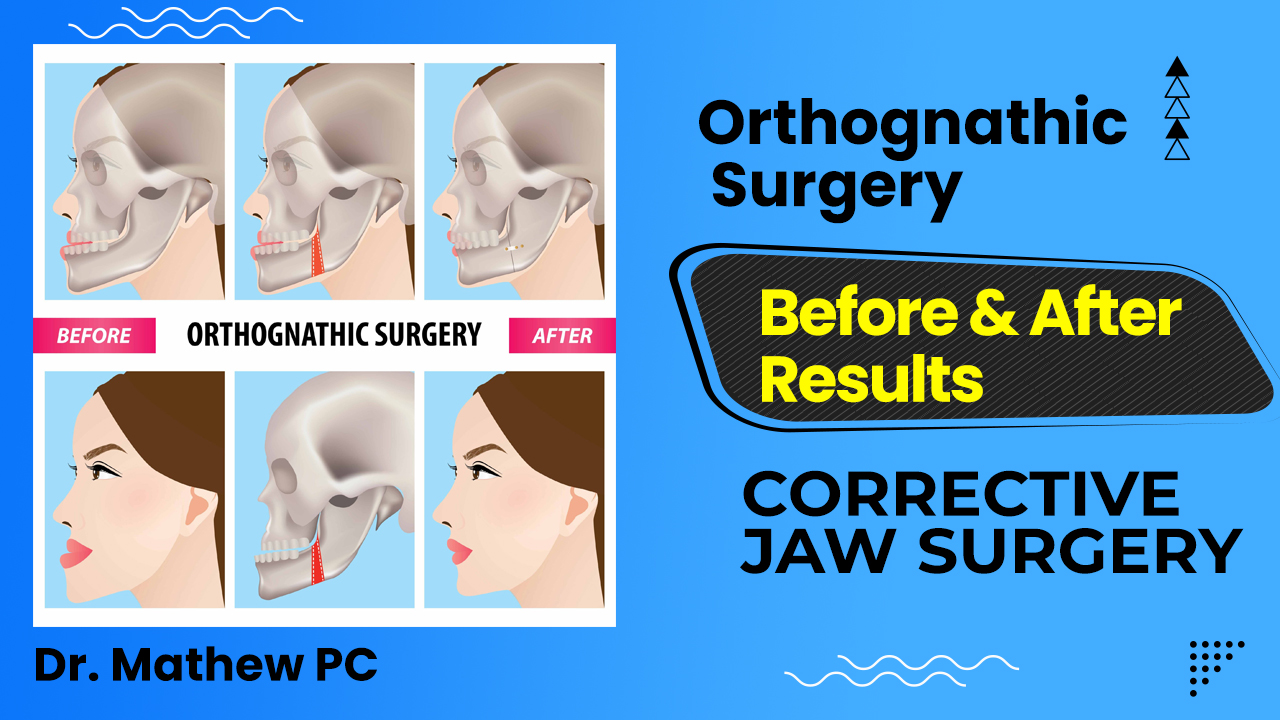
Corrective jaw surgery, also called orthognathic surgery, repositions the upper jaw, lower jaw or chin to correct bite problems, jaw misalignment and facial imbalance. It is advised when a jaw problem cannot be corrected with braces alone, and is planned together with an orthodontist. This guide explains corrective jaw surgery in Kerala and India: the conditions it treats, how it is planned, what the procedure involves, and recovery and risks. Jaw surgery services are available at Newface, Chengannur, Kerala.
Also read: Jaw Surgery in Kerala: What Is Orthognathic Surgery?, Jaw Surgery Recovery Time in Kerala, Bijaw Surgery, Lower Jaw Protrusion Surgery
What Is Orthognathic Surgery?
Orthognathic surgery is a surgical procedure to correct problems with jaw alignment and the way the teeth fit together (occlusion). The jaw bones are repositioned so that the teeth meet properly. This can improve chewing, biting and speech, and it can also change facial balance. Incorrect jaw position or bite can affect the health of the teeth, gums and jaw joints over time.
Conditions That May Need Corrective Jaw Surgery
Difficulty in these areas may be linked to a jaw problem:
- Difficulty chewing, biting or swallowing
- Speech problems
- Chronic jaw or jaw joint (TMJ) pain
- Open bite (the front teeth do not meet)
- Underbite, overbite or protruding jaw
- A small chin or receding lower jaw
- Breathing problems, snoring or obstructive sleep apnoea linked to jaw position
- Facial asymmetry, or a jaw, chin and nose that look misaligned
- Jaw problems after injury, or present from birth, such as with a cleft lip and palate
These can be present from birth, develop with growth because of inherited or environmental factors, or follow an injury to the face.
Why Is Jaw Surgery Done?
If you have a jaw condition that cannot be fixed with braces alone, your orthodontist and oral and maxillofacial surgeon may recommend jaw surgery. Orthodontics is the branch of dentistry that deals with the alignment of the teeth and jaws, and the orthodontist and surgeon work together on the plan. Jaw surgery may be advised to:
- Correct problems that affect the symmetry of the face
- Improve the way the jaws meet, so that chewing and speech are easier
- Help with breathing and sleep problems linked to jaw position, in selected cases
- Reduce pain linked to the jaw joint in selected cases (read more about TMJ disorders)
- Repair an injury or a condition present from birth
- Reduce uneven wear on the teeth
When Is Jaw Surgery Done?
Surgery is usually done after the jaws have finished growing, which is generally in the mid-to-late teens, and a surgeon confirms this at assessment. In younger patients with injury or a congenital condition, timing is decided case by case.
Types of Jaw Surgeries
-
Maxillary Osteotomy (Upper Jaw Surgery)
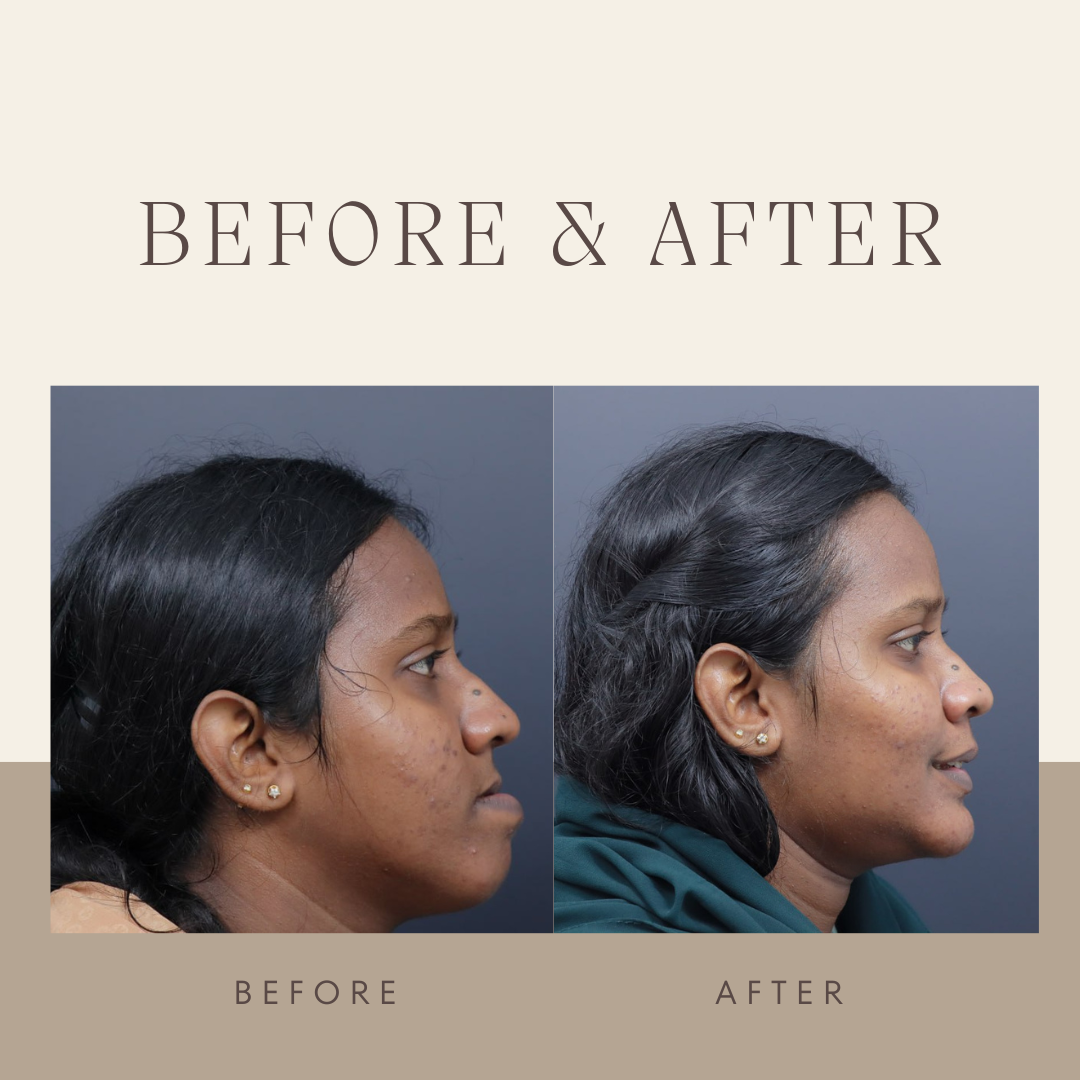
- Condition Addressed: Maxillary Osteotomy is performed to correct issues such as a crossbite, open bite, or receding upper jaw. This surgery repositions the upper jaw to align it correctly with the lower jaw.
- Procedure: The surgeon makes incisions inside the mouth to move the upper jaw. Plates and screws secure the jaw in its new position.
- Case Study: A patient with a severe crossbite underwent Maxillary Osteotomy, resulting in an improved bite and facial symmetry. Before the surgery, the patient had difficulty chewing and speaking clearly. Post-surgery, the patient experienced significant improvements in these areas, as well as enhanced confidence in their appearance.
-
Mandibular Osteotomy (Lower Jaw Surgery)
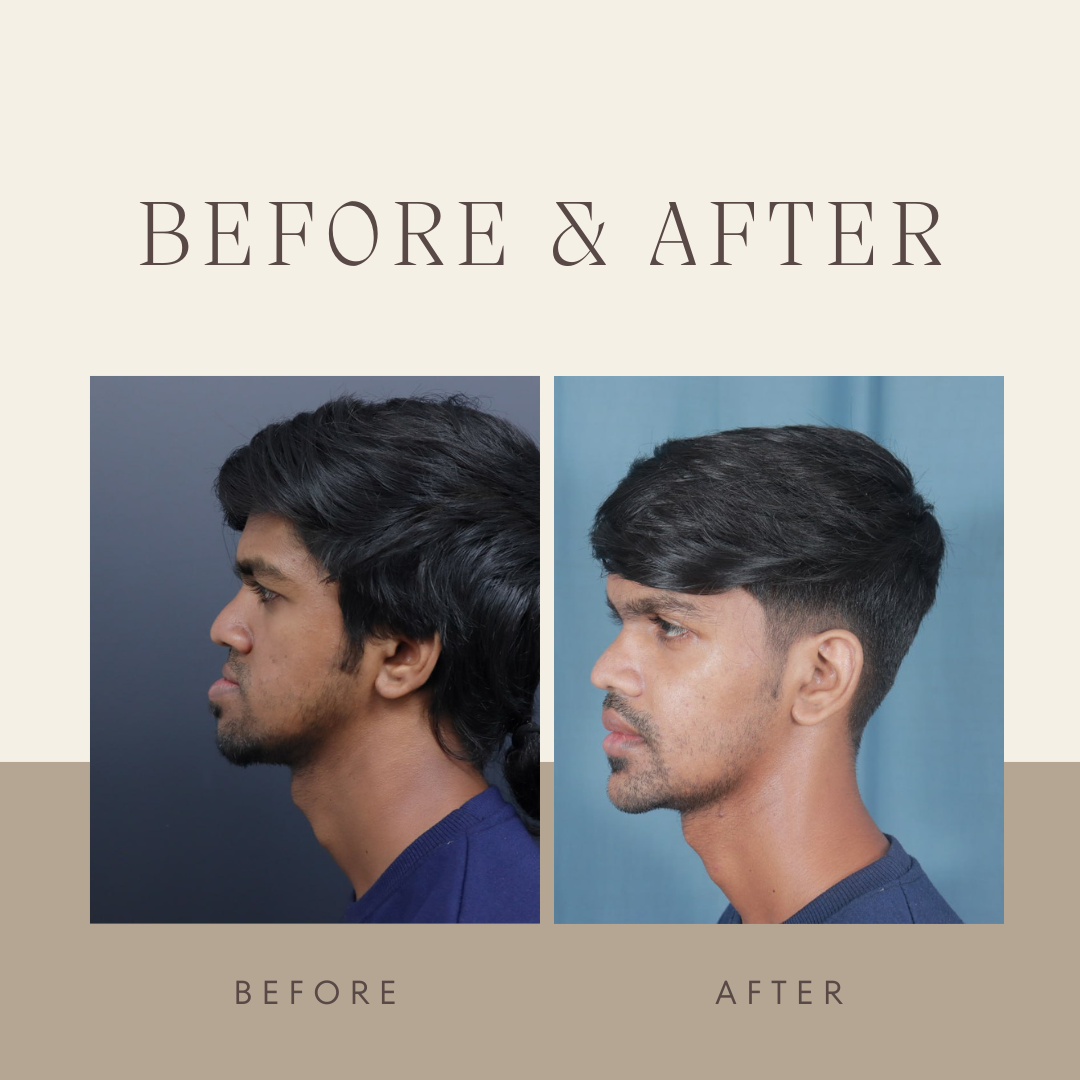
- Condition Addressed: This surgery is used to correct an underbite or overbite, where the lower jaw is either too far forward or too far back.
- Procedure: The lower jaw is cut and repositioned to align with the upper jaw. The procedure ensures the teeth meet properly, improving bite function and facial appearance.
- Case Study: A patient with an underbite had difficulty biting and suffered from TMJ pain. After Mandibular Osteotomy, the patient reported relief from pain and a more balanced facial structure.
-
Genioplasty (Chin Surgery)
- Condition Addressed: Genioplasty is performed to reshape the chin, either advancing or reducing it to achieve facial harmony. It's often combined with other jaw surgeries to balance the overall facial structure.
- Procedure: The surgeon makes an incision inside the mouth, cutting and repositioning the chin bone to the desired shape.
- Case Study: A patient with a receding chin underwent Genioplasty, resulting in a stronger chin profile and improved self-esteem. The surgery not only enhanced the patient’s facial aesthetics but also balanced the overall look after orthognathic surgery.
-
Bimaxillary Osteotomy
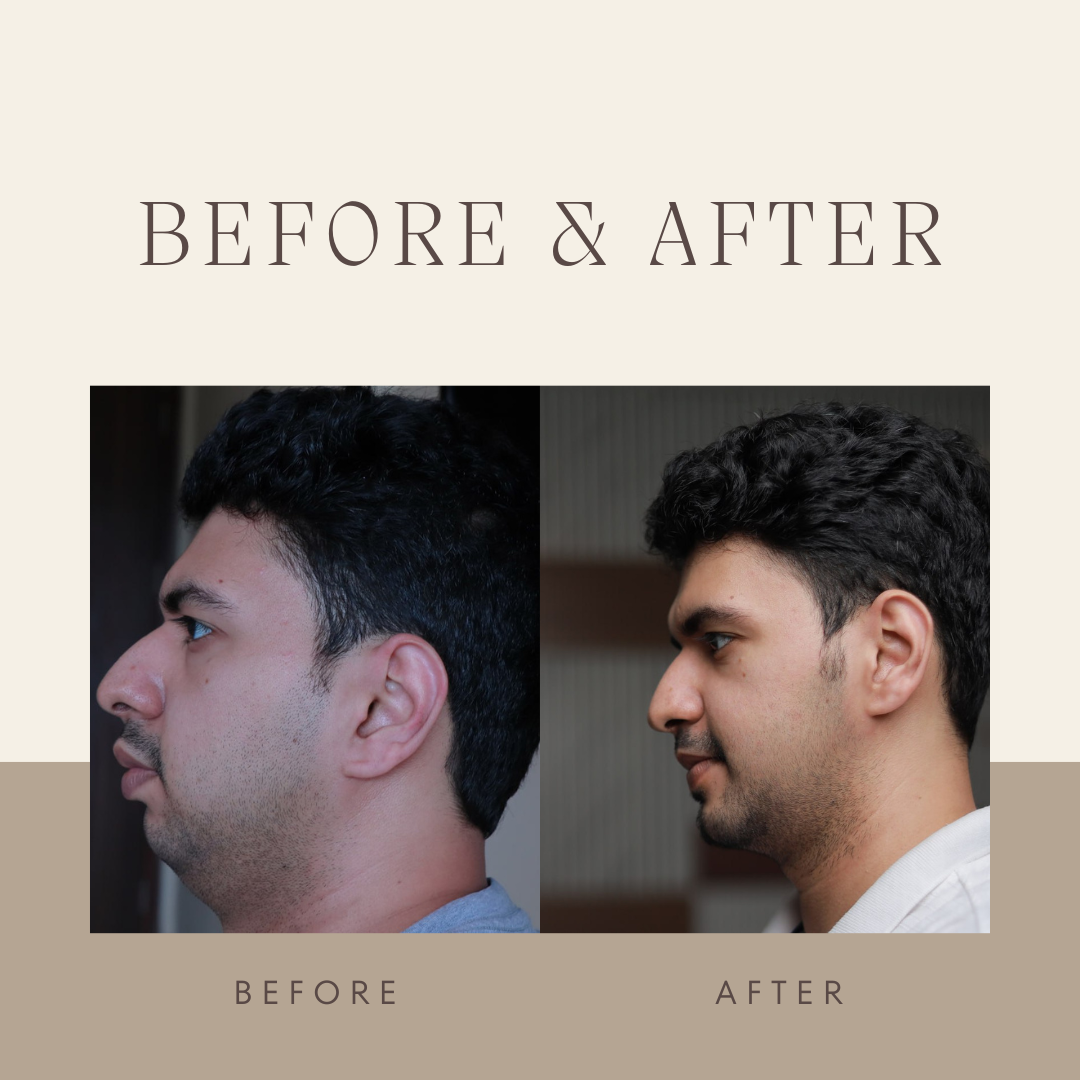
- Condition Addressed: This surgery is for patients needing corrections in upper and lower jaws. It's used for complex cases where both jaws are misaligned.
- Procedure: The surgeon repositions both the upper and lower jaws to correct the alignment. This surgery often addresses severe underbite, overbite, or open bite conditions.
- Case Study: A patient with severe jaw misalignment affecting speech and chewing underwent a Bimaxillary Osteotomy. The before-and-after results showed a dramatic improvement in functionality and facial symmetry, with the patient experiencing a significant boost in quality of life.
How Is Jaw Surgery Planned?
Orthognathic surgery is a complex operation that is planned with care, because moving the jaws changes both the bite and the look of the face. A team approach is needed, usually including your orthodontist and your oral and maxillofacial surgeon.
Planning usually involves:
- A consultation and complete examination
- X-rays and models of your teeth, usually obtained along with your orthodontist’s records
- CT scans and 3D models or virtual planning, where they are used, to plan the movement of the jaws
- A discussion of the options, the expected change, the risks and the recovery
How Does Surgery Correct Different Problems?
The surgery depends on the problem:
- Open bite: the upper jaw is repositioned, and secured with small plates and screws.
- Protruding lower jaw: the lower jaw bone is divided and the tooth-bearing part is moved back to line up with the upper jaw. Read more about lower jaw protrusion surgery.
- Receding lower jaw or small chin: the lower jaw, and sometimes the chin, is moved forward. Read more about genioplasty.
- Problems with both jaws: both jaws are repositioned together in bijaw surgery.
What Is Involved in Corrective Jaw Surgery?
- Braces before surgery: the orthodontist moves the teeth into the position that will fit after surgery. You may feel that your bite is getting worse rather than better during this time, because the teeth are being aligned for the new jaw position. This is expected, and the teeth should fit together once the surgeon moves the jaws.
- Updated records: X-rays, photographs and models may be taken again as surgery nears.
- Surgery: done under general anaesthesia in hospital. The surgeon repositions the jawbones, and in some cases bone may be added, removed or reshaped. Incisions are usually made inside the mouth to avoid visible scars, although this is sometimes not possible.
- Fixation: small plates and screws hold the bones in place. Elastics or wires may be used for a time to guide the bite.
- Aftercare: your surgeon explains the diet, from liquids to solids, the care of the mouth, and which activities to avoid. You may be advised to stop smoking and to avoid strenuous activity.
- After surgery: braces are fine-tuned to finish the bite.
Recovery After Corrective Jaw Surgery
Pain after surgery is managed with medicines. The jaw bones usually take about 6 to 8 weeks to heal, and many people feel back to normal activity in around 3 months. The final settling of the jaw and the orthodontic finishing can take 9 to 12 months. Recovery varies from person to person. See jaw surgery recovery time in Kerala.
Risks of Corrective Jaw Surgery
As with any major surgery, risks include swelling, bleeding, infection, temporary or lasting numbness of the lip or chin, jaw joint problems, and the jaw shifting back (relapse). Results are not guaranteed and vary from person to person. Your surgeon should explain the risks before you decide.
What Affects the Cost of Jaw Surgery in India?
The cost depends on the type of surgery (one jaw, both jaws, chin), the surgeon’s fees, the hospital and length of stay, anaesthesia, tests, orthodontic treatment before and after surgery, and follow-up. A surgeon can give you an estimate after assessing you.
Questions to Ask Your Surgeon
- Do I need jaw surgery, and what are the alternatives?
- Which type of surgery is planned, and why?
- What are the risks that apply to me?
- How long will orthodontic treatment take before and after surgery?
- What does recovery involve?
Frequently Asked Questions
What is orthognathic surgery and who needs it?
Orthognathic surgery, also called corrective jaw surgery, is recommended for people with jaw misalignment, bite problems or facial asymmetry that cannot be corrected with braces alone.
How long is the recovery period after jaw surgery?
The bones usually heal over about 6 to 8 weeks, and many people feel back to normal in around 3 months. Orthodontic finishing and final settling can take longer, up to 9 to 12 months.
Is jaw surgery painful?
The surgery is done under general anaesthesia, so you do not feel pain during it. Some discomfort and swelling are expected afterwards and are managed with medicines.
Do I need braces for jaw surgery?
Usually yes. Braces align the teeth before surgery and finish the bite afterwards.
At what age can jaw surgery be done?
Usually after the jaws have finished growing, generally in the mid-to-late teens. A surgeon confirms this at assessment.
Information provided by: Dr. Mathew P C, [QUALIFICATIONS], Oral and Maxillofacial Surgeon. Registration status: [REGISTERED]. [STATE MEDICAL COUNCIL / NATIONAL MEDICAL REGISTER] registration no.: [NUMBER].
This page provides general health information for education only. It is not a substitute for medical advice and does not promise or guarantee any result. Outcomes vary from person to person.
Newface, 8J4F+X7X, Hatchery Junction, Chengannur, Kerala 689122. Phone: +91 8330077198
Follow Newface: Instagram | Facebook | YouTube
Final Thoughts on Jaw Surgery in Kerala
Orthognathic surgery offers life-changing benefits, from improved bite function to enhanced facial aesthetics. If you're considering corrective jaw surgery in Kerala, Dr. Mathew PC provides expert care with a focus on achieving the best results with minimal jaw surgery recovery time. His approach combines precision, experience, and advanced technology, making him the go-to specialist for those seeking the best jaw surgery in Kerala.
Contact Us
If you're ready to explore your options for jaw surgery in Kerala, contact Dr. Mathew PC's office today to schedule a consultation. Our team is here to guide you through every step of the process, ensuring you receive the best care possible.
Watch the video below to see the procedure and before&after results:
Patient Testimonials: