

Otoplasty in India: Ear Pinning (Prominent Ear Correction), Procedure, Age, Risks and Recovery
Understand otoplasty (ear pinning) in India: when surgery is considered, how it is done, risks and recovery.

Otoplasty, also called ear pinning, pinnaplasty or ear reshaping surgery, is a procedure that changes the shape, position or size of the ears. It is most often done to bring prominent or protruding ears closer to the head. It may be done in children, usually from around the age of five or six once the ears are almost fully grown, and in adults. This guide explains otoplasty in India: who may consider it, when it is done, how the procedure works, and the risks and recovery. Otoplasty services are available at Newface, Chengannur, Kerala.
Also read: Facial Cosmetic Surgery in Kerala, Facial Cosmetic Surgery in India, Facial Surgery in Kerala
What Is Otoplasty?
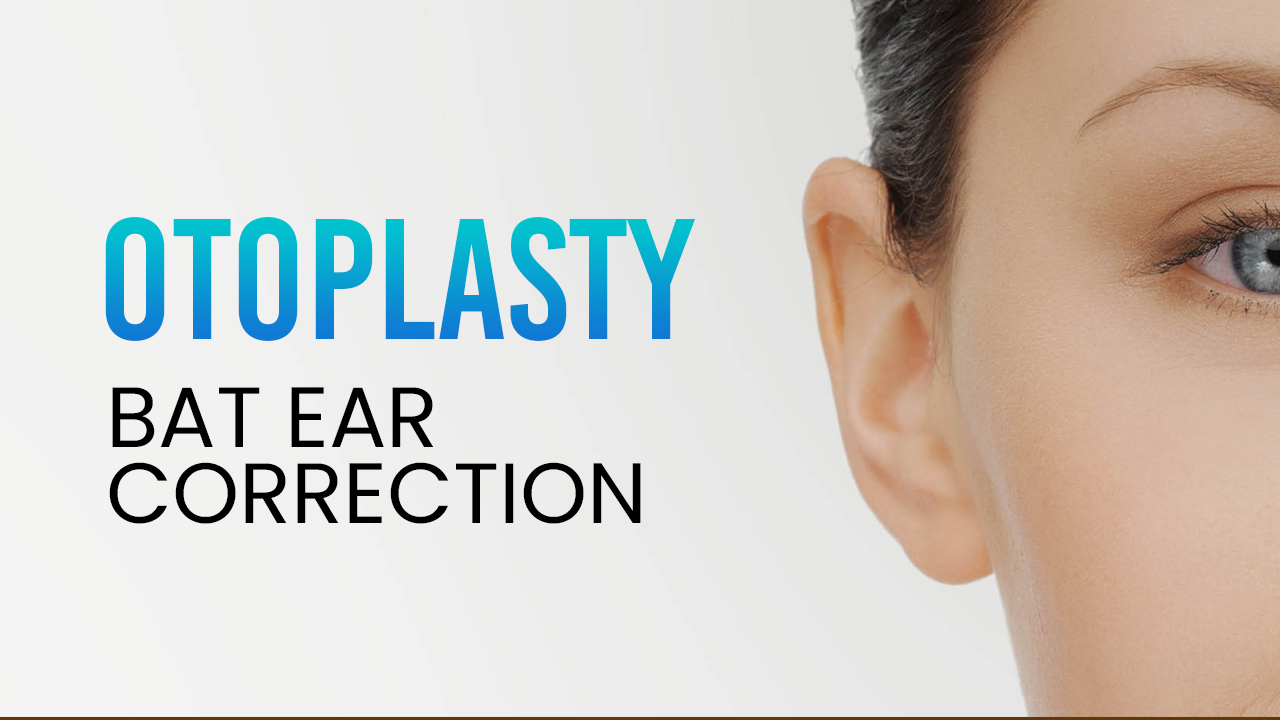
Otoplasty in India is a type of cosmetic surgery to improve the shape, position or proportion of the ears. It can also be used to correct an ear shape difference that someone is born with, or to repair an injury to the ear. The aim is to make the ears look balanced and in proportion with the head. Prominent ears are sometimes called “bat ears”, and the procedure to correct them is also known as prominent ear correction.
Who May Consider Otoplasty?
Otoplasty may be considered for:
- Ears that stick out or are prominent
- Ears that are larger or smaller than usual
- An ear shape that looks different from the usual, from birth or after injury
- Stretched or torn earlobes
- Asymmetry between the two ears
Some people feel self-conscious about prominent ears, and for children they may be a source of teasing. Whether and when to operate is a personal decision, and it is made after assessment by a qualified surgeon.
At What Age Can Otoplasty Be Done?
Otoplasty can be done once the ears have reached close to their adult size, which is usually around the age of five or six, and it can be done into adulthood. For young children, the surgeon and the parents discuss the right timing, taking the child’s wishes into account.
Some differences in ear shape that are noticed in newborns can improve with early ear moulding or splinting in the first weeks of life, if it is started promptly. A doctor can advise whether this is suitable.
Types of Ear Procedures
Depending on the concern, the surgeon may recommend:
- Pinnaplasty (ear pinning): reshapes the ear cartilage and brings the ears closer to the head.
- Earlobe reduction or repair: reduces the size of an earlobe or repairs a stretched or torn one.
- Ear reshaping: corrects differences in ear shape.
- Ear reconstruction: rebuilds an ear that is missing or injured, or that formed differently from birth, which is a more complex surgery.
How Is Otoplasty Done?
- Assessment: the surgeon examines the ears and head, discusses your goals and plans the procedure.
- Anaesthesia: local anaesthesia, with or without sedation, or general anaesthesia, depending on the age of the patient and the extent of surgery. General anaesthesia is more usual for young children.
- Incision: a small incision is usually made in the crease behind the ear, so the scar is hidden.
- Reshaping: the cartilage is reshaped, folded, or reduced, and held in the new position with stitches. The ear is then repositioned closer to the head.
- Closure and dressing: the incision is closed, and a bandage is wrapped around the head to protect the ears.
The surgery usually takes about one to three hours, depending on the procedure.
Recovery After Otoplasty
- Bandage: a head bandage protects the ears for the first days, and is then often replaced with a soft headband that is worn, as advised, especially at night, for a few weeks.
- Swelling and bruising: common around the ears and may continue for a few weeks. Tenderness and mild soreness, including in the neck muscles, can occur.
- First days: keep your head raised when sleeping, and use cold compresses as advised.
- Ear care: keep the ears clean and dry as your surgeon advises, and do not use cotton swabs unless you are told to.
- Activity: avoid strenuous activity, contact sports and anything that could knock the ears for several weeks.
- Scars: a scar behind the ear is expected and fades with time.
Many people return to school or work within about a week, but recovery varies. Contact your surgeon if you have increasing pain, a bandage that feels too tight, fever, or swelling or bleeding that keeps getting worse.
Risks of Otoplasty
As with any surgery, risks include:
- Infection
- Bleeding, and a collection of blood under the skin (haematoma), which can cause pain and swelling
- Scarring, including thick scars
- Numbness or changes in sensation of the ear, which is usually temporary
- Asymmetry between the ears, or an unnatural look
- The ears moving back toward their original position (relapse)
- Allergic reaction to anaesthesia or other medicines
- A result that does not match your expectations, and the need for further surgery
Your surgeon should explain these risks before surgery. Results are not guaranteed and vary from person to person.
What Affects the Cost of Otoplasty in India?
The cost depends on the type and extent of the procedure, the surgeon’s fees, the hospital, anaesthesia and follow-up. A surgeon can give you an estimate after assessing you.
Questions to Ask Before Surgery
- Is otoplasty the right option, and what are the alternatives?
- At what age is it suitable for my child?
- What are the risks that apply to me?
- What can I realistically expect from the result?
- What does recovery involve, and how long will it take?
Frequently Asked Questions
What is otoplasty?
It is a procedure that changes the shape, position or size of the ears, most often to bring prominent ears closer to the head. It is also called ear pinning or pinnaplasty.
At what age can a child have otoplasty?
It is usually considered once the ears are close to their adult size, around the age of five or six. The surgeon advises on the right timing.
Is otoplasty done under local or general anaesthesia?
Either, depending on the age of the patient and the extent of surgery. General anaesthesia is more usual for young children.
Where is the scar after otoplasty?
The incision is usually made in the crease behind the ear, so the scar is hidden. Some scarring remains.
How long is the recovery after otoplasty?
Many people return to school or work within about a week. Swelling can last a few weeks, and a headband is worn at night for some weeks.
Does otoplasty affect hearing?
Otoplasty changes the outer ear and does not normally affect hearing. Your surgeon will explain the risks.
Information provided by: Dr. Mathew P C, [QUALIFICATIONS], Oral and Maxillofacial Surgeon. Registration status: [REGISTERED]. [STATE MEDICAL COUNCIL / NATIONAL MEDICAL REGISTER] registration no.: [NUMBER].
This page provides general health information for education only. It is not a substitute for medical advice and does not promise or guarantee any result. Outcomes vary from person to person.
Newface, 8J4F+X7X, Hatchery Junction, Chengannur, Kerala 689122. Phone: +91 8330077198