

Facial Surgery in Kerala: Reconstructive, Cosmetic, Jaw and Nose Surgery Explained
Learn about facial surgery in Kerala: reconstructive, cosmetic, jaw and nose procedures, who may need them, risks and recovery.
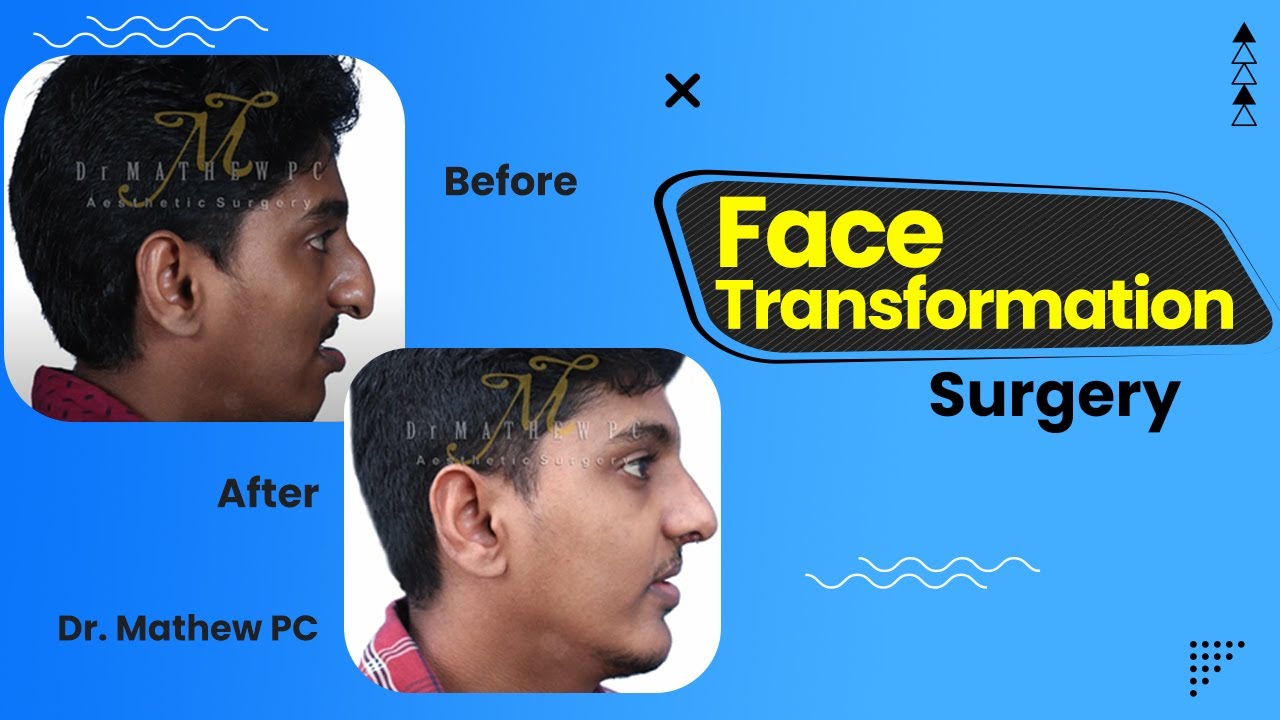
Facial surgery covers operations that change, repair or rebuild the face, jaws or nose. It may be reconstructive, to repair damage from injury, burns, illness or birth differences, or cosmetic, to change how features look. Common types include reconstructive surgery, cosmetic facial surgery, jaw (orthognathic) surgery and nose surgery (rhinoplasty). Which procedure is suitable depends on the concern, your health and your goals, and is decided after assessment. Facial surgery in Kerala is available at Newface, Chengannur.
Also read: Facial Cosmetic Surgery in India, Rhinoplasty in Kerala, Jaw Surgery in Kerala, Facial Asymmetry Correction
What Is Facial Surgery?
Facial surgery is surgery that modifies the structure or appearance of the face. It uses the person’s own tissues, and sometimes implants or grafts, to reshape or rebuild facial features. It can help people who have had a facial injury or burns, who have a condition of the face or jaw that has changed its appearance or function, or who want to change a feature they are unhappy with.
Types of Facial Surgery
-
Reconstructive surgery: repairs the face after injury, burns, illness or a birth difference such as a cleft lip and palate.
-
Cosmetic facial surgery: changes the look of features such as the nose, eyelids, chin or lips.
- Jaw surgery: repositions the upper jaw, lower jaw or chin to correct bite and alignment, and can change facial balance. See jaw surgery in Kerala and bijaw surgery.
- Chin surgery (genioplasty): reshapes or repositions the chin. See genioplasty.
- Nose surgery (rhinoplasty): changes the shape of the nose or improves nasal breathing.
Nose Surgery (Rhinoplasty) in Kerala
Rhinoplasty, or nose surgery, is done to change how the nose looks, how it works, or both. It can help people breathe more easily and can also change nasal shape.
Rhinoplasty may be considered if:
- You want to change the size, shape or proportions of your nose
- You have a broad nose or a wide or bulbous tip. See wide nose correction.
- A deviated septum, enlarged turbinates or another structural problem is blocking your breathing. Snoring or sleep problems from nasal blockage are sometimes linked.
- You have had a nasal fracture after an accident or sports injury
Nasal obstruction is a common medical reason for surgery. When medical treatment, such as nasal sprays, has not helped, surgery may be the next step after an assessment. Rhinoplasty can improve facial balance by correcting asymmetry, nostril and bridge width, humps or dips in the bridge, and the shape of the nasal tip, but results vary.
What to Expect During Rhinoplasty Recovery
-
The skin and tissues need time to heal, so the change in appearance appears gradually as swelling settles. Swelling around the nose, especially the tip, can last for months.
-
The inside of the nose may be packed or splinted, and the outside may be covered to protect and support the nose. This usually stays for about a week, after which the surgeon removes it and any stitches.
- Some bruising and soreness around the cheeks and under the eyes is common for a few days.
- Over-the-counter or prescribed pain medicines, as advised, help with discomfort.
- Follow your surgeon’s instructions on care, medicines and warning signs.
How Do I Know Which Procedure Is Suitable?
An assessment by a qualified surgeon, with examination and, where needed, X-rays or 3D imaging, shows what the problem is and which options are suitable, including non-surgical ones. Some people need a combination of procedures, for example jaw surgery with chin surgery or rhinoplasty, which a surgeon can advise on.
Risks of Facial Surgery
Risks depend on the procedure but can include bleeding, infection, scarring, numbness or nerve damage, asymmetry, a result that does not match your expectations, and the need for further surgery. Your surgeon should explain the risks that apply to you. Results are not guaranteed and vary from person to person.
Recovery After Facial Surgery
Recovery depends on the procedure. In general you can expect swelling, bruising and tenderness, and you may need to keep your head raised, avoid strenuous activity and limit sun exposure for a time. Some procedures, such as jaw surgery, need a longer recovery than others. Follow your surgeon’s instructions and attend all follow-up visits.
What Affects the Cost of Facial Surgery in Kerala?
The cost depends on the type and extent of surgery, the surgeon’s fees, the hospital, anaesthesia, the length of stay, tests and follow-up. A surgeon can give you an estimate after assessing you.
Questions to Ask Before Surgery
- Which procedure is suitable for my concern, and what are the alternatives?
- What are the risks that apply to me?
- What can I realistically expect from the result?
- What does recovery involve, and how long will it take?
- What follow-up care is needed?
Frequently Asked Questions
What is facial surgery?
It is surgery that repairs, rebuilds or reshapes the face, jaws or nose, for reconstructive or cosmetic reasons.
Is facial surgery safe?
All surgery carries risks. They depend on the procedure and your health, and your surgeon should explain them before you decide.
How long does recovery take?
It depends on the procedure. Many people return to routine activities within a few weeks after some procedures, while jaw surgery can take longer. Your surgeon will advise.
Is jaw surgery painful?
Surgery is done under anaesthesia. Afterwards there is discomfort and swelling, which is managed with prescribed medicines.
Will the result look natural?
The aim is a balanced result, and the surgeon discusses what to expect during planning. Results vary from person to person and are not guaranteed.
Can rhinoplasty improve breathing?
It can when a structural problem such as a deviated septum or nasal valve weakness is the cause. This is decided after an assessment.
Information provided by: Dr. Mathew P C, [QUALIFICATIONS], Oral and Maxillofacial Surgeon. Registration status: [REGISTERED]. [STATE MEDICAL COUNCIL / NATIONAL MEDICAL REGISTER] registration no.: [NUMBER].
This page provides general health information for education only. It is not a substitute for medical advice and does not promise or guarantee any result. Outcomes vary from person to person.
Newface, 8J4F+X7X, Hatchery Junction, Chengannur, Kerala 689122. Phone: +91 8330077198