

Revision Rhinoplasty in India: Reasons, Procedure, Timing, Risks and Recovery
Understand revision rhinoplasty in India: why a second nose surgery may be needed, when it is done, risks and recovery.
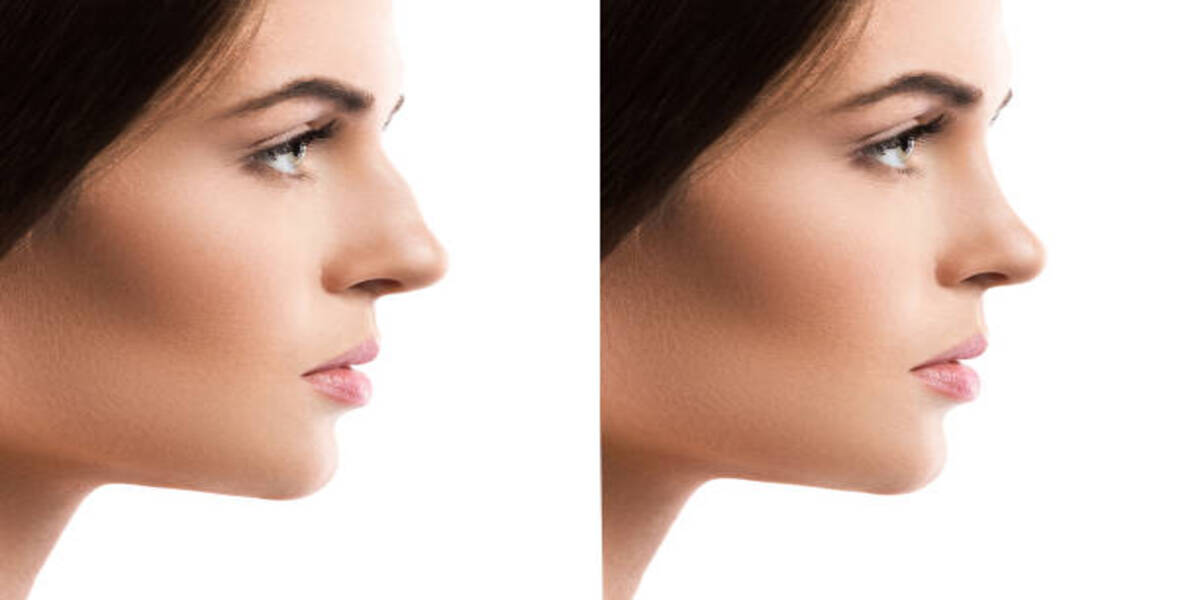
Revision rhinoplasty is a second (or later) nose surgery done to correct problems after a previous rhinoplasty, such as an appearance that you are not happy with, or breathing problems. It is usually more complex than the first operation because of scar tissue and changes in the nose’s structure, and surgeons usually advise waiting about a year after the previous surgery so that healing is complete. This guide explains revision rhinoplasty in India: why it may be needed, when it is done, how the procedure works, and the risks and recovery. Rhinoplasty services are available at Newface, Chengannur, Kerala.
Also read: Rhinoplasty in Kerala, Wide Nose Correction Surgery, Facial Cosmetic Surgery in Kerala
What Is Revision Rhinoplasty?
Revision rhinoplasty is a procedure to correct problems with the nose that remain or develop after a previous nose surgery, whether it was done for cosmetic or breathing reasons. It may improve the shape of the nose, its function, or both. Because the structure of the nose has already been altered, it is a more complex operation than a first rhinoplasty.
Why Might a Second Nose Surgery Be Needed?
A nose may need revision for different reasons, and it is not always a matter of anything having been done wrong. Reasons include:
- A result that does not match what was planned or hoped for: such as asymmetry, a crooked nose, or a tip or bridge that looks different from what you expected.
- Healing differences: every person heals differently, and scar tissue or shifting of cartilage can change the shape over time.
- Loss of structural support: if too much cartilage or bone was removed earlier, parts of the nose may collapse or narrow, which can cause both shape and breathing problems.
- Breathing problems: nasal obstruction after the first surgery, or a problem that was not corrected.
- Injury: trauma to the nose after the first surgery.
- New problems: such as changes that appear years later.
Is Revision Rhinoplasty Right for You?
Revision surgery is a personal decision. Things to consider include:
- Timing: surgeons usually advise waiting about a year after the previous surgery, because swelling and healing take that long, and the nose may still be changing.
- Realistic expectations: a revision can improve the nose, but it may not give a perfect result, and the surgery is less predictable than a first operation.
- Assessment: a surgeon examines the nose inside and out, reviews your previous surgery and records, and tells you whether a revision is likely to help and what it involves.
- Alternatives: minor concerns may sometimes be helped without surgery, and a second opinion can help.
How Is Revision Rhinoplasty Done?
- Planning: the surgeon examines the nose, studies photographs and your previous surgery, and may use imaging.
- Anaesthesia: usually general anaesthesia.
- Approach: most revisions use the open approach, which gives the surgeon a clear view of the structures, though this depends on the case.
- Reshaping and support: the surgeon corrects the problem, for example by reshaping the nose or rebuilding its support.
- Grafts: revision surgery often needs cartilage to support the tip or the bridge of the nose. If there is not enough cartilage left in the nasal septum, it may be taken from another area, such as the ear or the rib. In some cases, other tissue, such as fascia (a thin layer of tissue), is used to smooth the surface, and in some cases skin may be needed where scarring has narrowed the airway.
- Closure and support: the incisions are closed, and a splint may be placed over the nose.
Any donor site, such as the ear or rib, has its own scar and recovery.
Recovery After Revision Rhinoplasty
- Swelling and bruising: swelling and bruising around the nose are expected. Bruising usually settles in one to two weeks, but swelling, especially at the tip, can take much longer to go.
- First days: keep your head raised, use cold compresses and take the medicines your surgeon prescribes.
- Activity: many people return to work within about two weeks, but avoid strenuous activity for at least four to six weeks, or as advised.
- Final result: it can take a year or longer for the final shape to become clear after a revision, and sometimes longer than after a first surgery.
- Follow-up: attend all follow-up visits, and contact your doctor if you have heavy bleeding, fever, or increasing pain or swelling.
Risks of Revision Rhinoplasty
As with any surgery, risks include infection, bleeding and reactions to anaesthesia. Because revision rhinoplasty is more complex, the risks can be greater and the result less predictable. Other risks include scarring, breathing difficulty, asymmetry, a result that does not match your expectations, problems at the graft donor site, and the possibility of needing further surgery. Your surgeon should explain these risks before you decide. Results are not guaranteed and vary from person to person.
How to Choose a Surgeon for Revision Rhinoplasty
- Registration: check that the surgeon is registered with the National Medical Commission or a State Medical Council, and verify the registration number and qualifications on the National Medical Register.
- Experience with revision surgery: revision rhinoplasty is a different operation from a first rhinoplasty. Ask about the surgeon’s training and experience in revision and functional nasal surgery.
- A clear plan: the surgeon should explain what is wrong, what can be changed, the risks, the recovery and the follow-up.
- Be careful with guarantees and rankings: no surgeon can guarantee a result, so do not decide on “best surgeon” claims or advertising alone. Consider a second opinion.
What Affects the Cost of Revision Rhinoplasty in India?
The cost depends on how extensive the revision is, whether grafts are needed and from where, the surgeon’s fees, the hospital, anaesthesia and follow-up. A surgeon can give you an estimate only after assessing your nose.
Questions to Ask Before Revision Surgery
- What is causing the problem, and can it be corrected?
- Is it the right time for surgery?
- What are the risks that apply to me?
- Will I need grafts, and from where?
- What can I realistically expect from the result?
- What does recovery involve?
Frequently Asked Questions
What is revision rhinoplasty?
It is a second (or later) nose surgery to correct problems that remain or develop after a previous rhinoplasty.
When can revision rhinoplasty be done?
Surgeons usually advise waiting about a year after the previous surgery, so that swelling and healing are complete.
Why is revision rhinoplasty more complex?
Scar tissue and changes in the nose’s structure from the earlier surgery make the operation harder and the result less predictable, and cartilage grafts from other parts of the body are often needed.
How long is recovery after revision rhinoplasty?
Bruising settles in one to two weeks, many people return to work in about two weeks, and the final shape can take a year or longer to become clear.
Can revision rhinoplasty improve breathing?
It can when the breathing problem is caused by a structural problem in the nose. This is decided after an assessment.
Are the results of revision rhinoplasty guaranteed?
No. Results vary, all surgery carries risks, and a revision is less predictable than a first operation.
Information provided by: Dr. Mathew P C, [QUALIFICATIONS], Oral and Maxillofacial Surgeon. Registration status: [REGISTERED]. [STATE MEDICAL COUNCIL / NATIONAL MEDICAL REGISTER] registration no.: [NUMBER].
This page provides general health information for education only. It is not a substitute for medical advice and does not promise or guarantee any result. Outcomes vary from person to person.
Newface, 8J4F+X7X, Hatchery Junction, Chengannur, Kerala 689122. Phone: +91 8330077198