

Gummy Smile Correction in India: Causes, Treatment Options and Recovery
Understand gummy smile correction in India: causes of excess gum show, treatment options, risks and recovery.

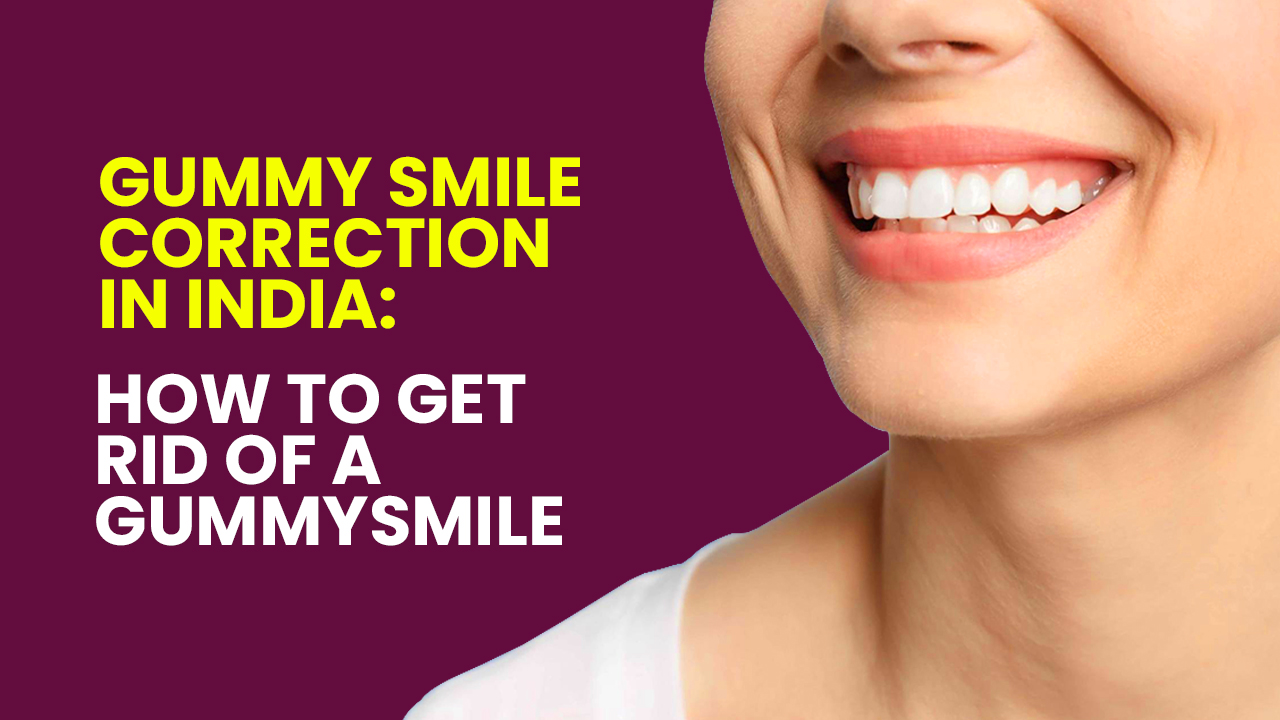
A gummy smile is a smile in which a large amount of gum shows above the upper teeth. Gummy smile correction in India depends on the cause: treatment may involve lip repositioning surgery, gum contouring or crown lengthening, orthodontics, Botox injections or, when the upper jaw is too long vertically, jaw surgery. This guide explains the causes of a gummy smile, the treatment options, and what recovery involves. Treatment planning for a gummy smile is available at Newface, Chengannur, Kerala.
What Is a Gummy Smile?
A gummy smile is a smile that shows an excessive amount of gum. In a typical smile, the upper lip rests at or just above the gum line and shows about two-thirds to three-quarters of the front teeth. Showing more than about 2 to 3 mm of gum when smiling is generally described as a gummy smile. It is more common in women, and it can run in families.
Not everyone with a gummy smile is bothered by it, and treatment is a personal choice.
Causes of a Gummy Smile
A gummy smile has several possible causes, and more than one can be present:
- Vertical maxillary excess: the upper jaw has grown too long vertically, so more gum shows.
- A short upper lip, or a lip that lifts too high when smiling because of strong lip muscles (hyperactive upper lip).
- Short teeth: the teeth look short because they are worn down or because gum tissue covers part of the tooth, which makes the gums look bigger (altered passive eruption).
- Gum overgrowth: gum tissue thickened by inflammation, some medicines, or other conditions.
A gummy smile may sometimes have a psychological or social impact on a person, and it can be treated once the cause is identified.
How Is the Cause of a Gummy Smile Assessed?
Treatment is selected after an assessment of the amount of gum shown, the movement of the lip, the length of the teeth and the facial structure. Your surgeon or dentist examines the teeth and gums, may take photographs and X-rays, and may measure lip movement, so that the treatment fits the cause.
Treatment Options for Gummy Smile Correction
- Lip repositioning surgery: for a short or hyperactive upper lip. A thin strip of tissue is removed from inside the upper lip and the lip is stitched to a lower position, so that it cannot rise as far when you smile. It is usually done under local anaesthesia, sometimes with sedation, and the incision is inside the mouth. The effect can reduce over time in some people.
- Gum contouring or crown lengthening: when the teeth look short because gum tissue covers part of the tooth, gum tissue, and sometimes a little bone, is reshaped to expose more of the tooth. A laser or surgical instruments may be used.
- Orthodontic treatment: braces or clear aligners can move the position of the teeth, and in some cases improve the bite and the way the gums show.
- Restorative treatment: where the teeth are short because they are worn or small, veneers or crowns may be considered after a dental assessment.
- Botox (botulinum toxin) injections: a non-surgical option that relaxes the muscles that lift the upper lip, so less gum shows. It is temporary and usually needs repeating every few months.
- Jaw surgery: when the cause is a vertically long upper jaw, an operation on the upper jaw (maxilla) can move it upward. This is a type of orthognathic surgery, and it is often combined with orthodontic treatment. Read more about jaw surgery in Kerala.
Some people need more than one treatment.
How Is the Right Treatment Chosen?
The treatment depends on the cause. For example, a short upper lip may be treated with lip repositioning, short-looking teeth with gum contouring or crown lengthening, and a long upper jaw with jaw surgery. Ask your surgeon about the benefits, the risks and the alternatives of each option so that you can make an informed decision. A second opinion can help.
Recovery After Gummy Smile Treatment
Recovery depends on the treatment:
- Lip repositioning: swelling and tightness of the upper lip are common for a week or two. A soft diet and gentle mouth care are advised, and wide smiling and stretching of the lip are avoided at first, as your surgeon instructs.
- Gum contouring or crown lengthening: the gums are tender for a few days to a couple of weeks, and the gum level settles over several weeks.
- Botox: little downtime, with the effect appearing over a few days and wearing off after a few months.
- Jaw surgery: a longer recovery, as described in our guide to jaw surgery recovery time.
Follow your surgeon’s instructions, and contact your doctor if you have heavy bleeding, fever or increasing pain or swelling.
Risks of Gummy Smile Treatment
Risks depend on the treatment but can include swelling, bleeding, infection, pain, scarring, uneven results or asymmetry, numbness, and relapse, which means the gum or lip returns partly to its earlier position. Botox can cause bruising, and an uneven or stiff smile if it spreads to nearby muscles. Results are not guaranteed and vary from person to person. Your surgeon should explain the risks before treatment.
What Affects the Cost of Gummy Smile Correction in India?
The cost depends on the treatment needed (injections, lip surgery, gum surgery, orthodontics or jaw surgery), the surgeon’s fees, the facility, anaesthesia and follow-up. A surgeon can give you an estimate after assessing you. See also lip reduction surgery, which is a different procedure that changes lip fullness.
Questions to Ask Before Treatment
- What is causing my gummy smile?
- Which treatment suits the cause, and what are the alternatives?
- What are the risks that apply to me?
- How long will the result last?
- What does recovery involve?
Frequently Asked Questions
What is a gummy smile?
It is a smile that shows an excessive amount of gum above the upper teeth, usually more than about 2 to 3 mm.
What causes a gummy smile?
Common causes include a vertically long upper jaw, a short or hyperactive upper lip, short-looking teeth because of gum tissue or wear, and gum overgrowth.
How is a gummy smile treated?
Treatment depends on the cause. Options include lip repositioning surgery, gum contouring or crown lengthening, orthodontic treatment, Botox injections and, in some cases, jaw surgery.
How long do the results last?
It depends on the treatment. Botox is temporary and needs to be repeated, while surgical treatments last longer but can partly relapse in some people. Your surgeon will advise.
Is gummy smile correction painful?
Procedures are done under local anaesthesia, sedation or general anaesthesia depending on the treatment. Discomfort and swelling afterwards are managed with medicines.
How is the right treatment chosen?
After an assessment of the amount of gum shown, the movement of the lip, the length of the teeth and the facial structure.
Information provided by: Dr. Mathew P C, [QUALIFICATIONS], Oral and Maxillofacial Surgeon. Registration status: [REGISTERED]. [STATE MEDICAL COUNCIL / NATIONAL MEDICAL REGISTER] registration no.: [NUMBER].
This page provides general health information for education only. It is not a substitute for medical advice and does not promise or guarantee any result. Outcomes vary from person to person.
Newface, 8J4F+X7X, Hatchery Junction, Chengannur, Kerala 689122. Phone: +91 8330077198