

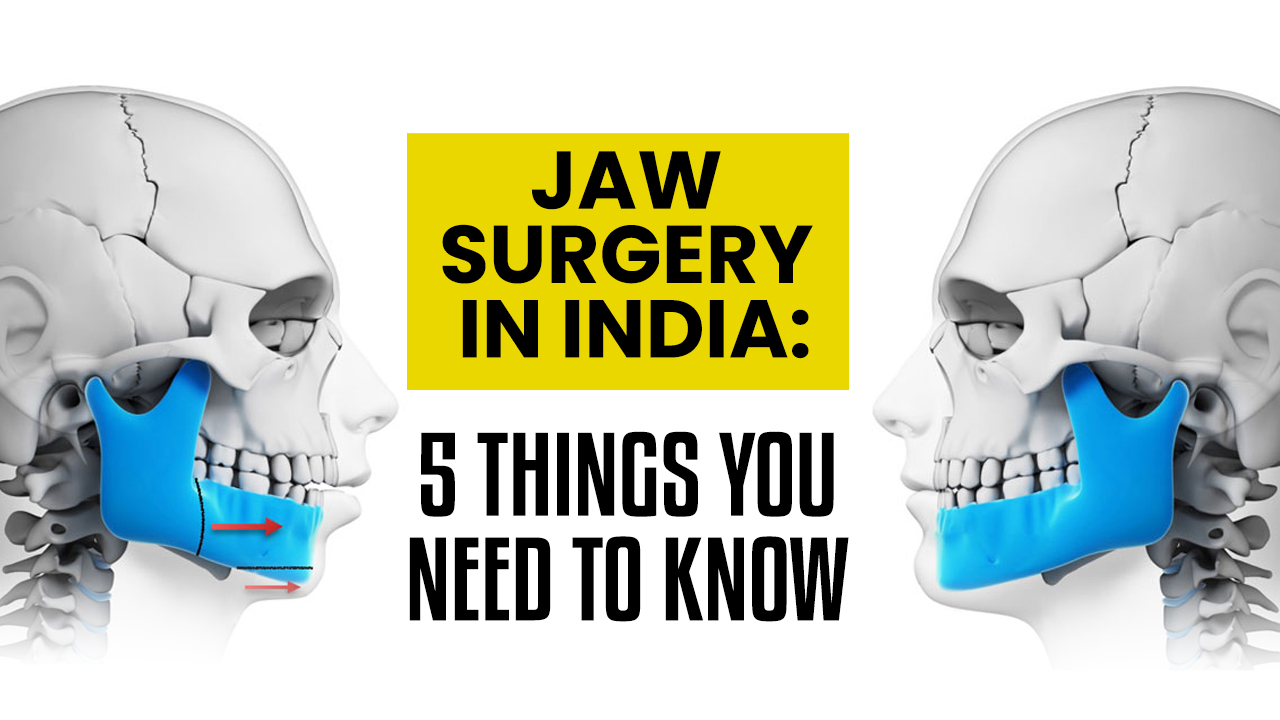
Jaw Surgery in India 2026: 5 Things You Need to Know
Five things to know about jaw surgery in India: what it involves, risks, planning, choosing a surgeon and recovery.

Jaw surgery in India is a corrective procedure, also called orthognathic surgery, that repositions the upper jaw, the lower jaw or both to improve bite, function and facial balance. If you are considering jaw surgery in India, there are five things worth knowing: what the surgery involves, the risks, what to consider before surgery, how to choose a surgeon, and what recovery is like. Newface in Chengannur offers jaw surgery in Kerala with Oral and Maxillofacial Surgeon Dr. Mathew PC.
Also read: Jaw Surgery in Kerala, Bijaw Surgery in India, Jaw Angle Reduction Surgery
1. What Is Jaw Surgery (Orthognathic Surgery)?
Orthognathic surgery in India, also called orthognathic jaw surgery, is a procedure to correct misaligned upper and/or lower jaws (the maxilla and the mandible). It is not a single operation but a multi-step process: orthodontic treatment (braces) to prepare the teeth, the surgery itself, recovery, and then further orthodontic treatment, often for up to a year after surgery.

Risks of Jaw Surgery
As with other major surgeries, jaw surgery carries risks. Your surgeon should explain the procedure and the possible complications before surgery.
Short-term effects can include bleeding, infection, swelling, numbness or tingling in the chin, lips, cheeks, tongue and nose, dental damage, and nausea or vomiting after anaesthesia. Many of these settle over days to weeks. Numbness can take longer and, in some patients, can be lasting.
Less common but more serious risks include:
- Nerve damage with loss of sensation in the lip and chin
- Worsening of jaw joint (TMJ) problems
- The jaw shifting back towards its original position (relapse)
- An unsatisfactory result that may need further surgery
An experienced surgeon and careful planning help reduce these risks, but they cannot remove them completely.
After surgery, expect pain, swelling, and difficulty swallowing or chewing for a few days. Milder discomfort may last around 3 to 4 weeks. Rest well and take the medicines your surgeon prescribes. Contact your surgeon if pain or swelling gets worse, does not improve, or improves and then increases again after about three weeks.
3. What to Think About Before Jaw Surgery
Understand what jaw surgery can and cannot do before you decide. If you have an image in mind of how you want your face to look after surgery, tell your surgeon. Every person’s jaw problem is different, and your surgeon will advise what is likely to work for your case.
When recommending jaw surgery, doctors consider your personal goals, the health problems your jaw causes, your general health, and the underlying condition behind the jaw problem.

Jaw surgery in India is not a one-time event. It is a long process that can take a year or more from the first orthodontic visit to the final adjustments. Ask about every stage, from pre-surgery orthodontics to recovery to post-surgery orthodontics, so you know what long-term commitment to expect.
Cost of Jaw Surgery in India
The cost depends on the type and complexity of surgery, the surgeon’s fees, the hospital, anaesthesia, orthodontic treatment and follow-up care. Ask for a written estimate that lists what is included.
4. How to Choose a Jaw Surgeon in India
-
Experience and qualifications: ask about the surgeon’s experience with the specific procedure you need.
-
Facility and equipment: ask about the surgical facility and the equipment used, and check that it meets safety standards.
- Surgical team: ask about the team and how long they have worked together. The team should be experienced and qualified.
- Recovery and aftercare: ask what post-operative care to expect and how long recovery is likely to take, so your expectations are realistic.
- Your questions: ask anything you are unsure about. This is an important decision and should not be rushed.
Dr. Mathew PC is an Oral and Maxillofacial Surgeon with over 16 years of experience in facial and jaw surgery, including rhinoplasty.
5. Recovery After Jaw Surgery in India
Recovery varies with the individual and the type of surgery. Some swelling and bruising around the surgical site is expected. Many people return to work within one to two weeks, but strenuous activity should be avoided for several weeks. Follow your surgeon’s instructions carefully throughout recovery.
Frequently Asked Questions
What is jaw surgery?
Jaw surgery, or orthognathic surgery, repositions the upper jaw, lower jaw or both to correct bite and alignment problems and improve facial balance.
Does jaw surgery need braces?
Usually yes. Braces align the teeth before surgery, and orthodontic treatment continues after surgery to finish the bite.
How long does recovery take?
Many people return to work in one to two weeks, and strenuous activity is avoided for several weeks. Mild discomfort can last around 3 to 4 weeks.
What are the risks of jaw surgery?
Risks include bleeding, infection, swelling, numbness, nerve damage, jaw joint problems and relapse. Your surgeon will explain these before surgery.
Book a Consultation
To discuss jaw surgery in India or in Kerala, book a consultation with Dr. Mathew PC.
Phone: +91 8330077198