

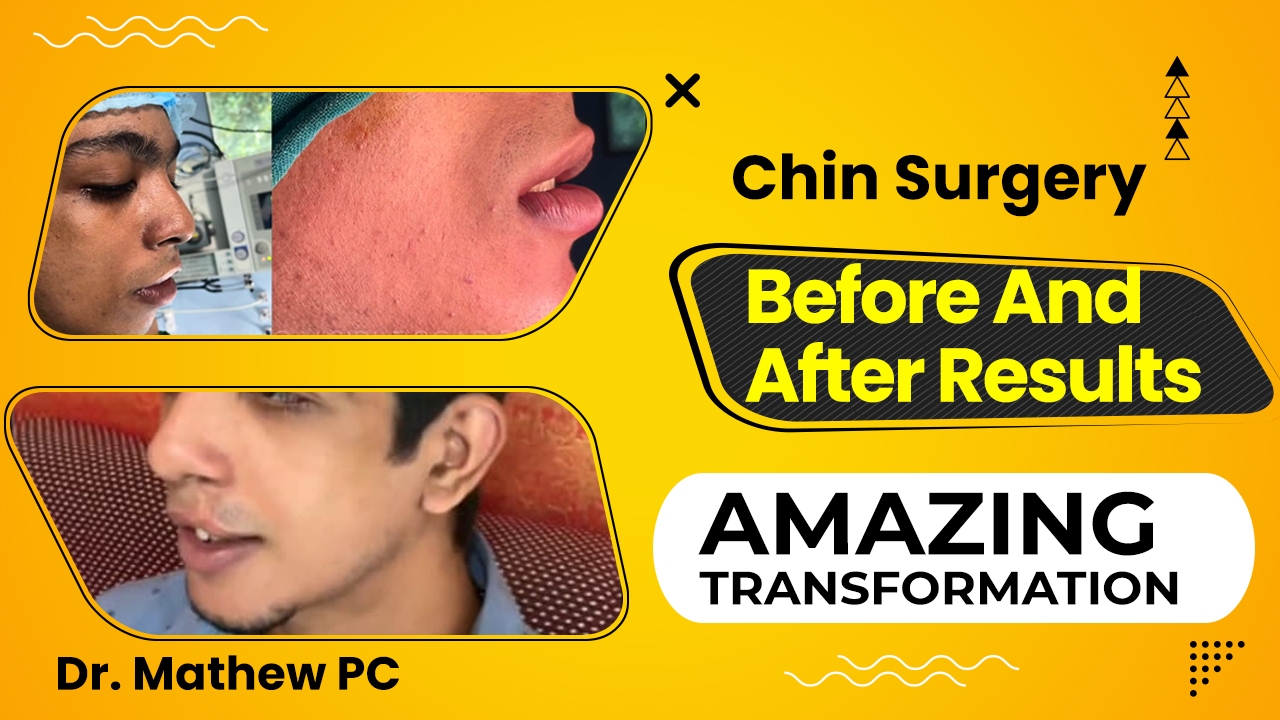
Genioplasty Surgery: Transform Your Chin with Expert Care
Understand genioplasty (chin surgery) in Kerala and India: types, how the procedure is done, risks and recovery.

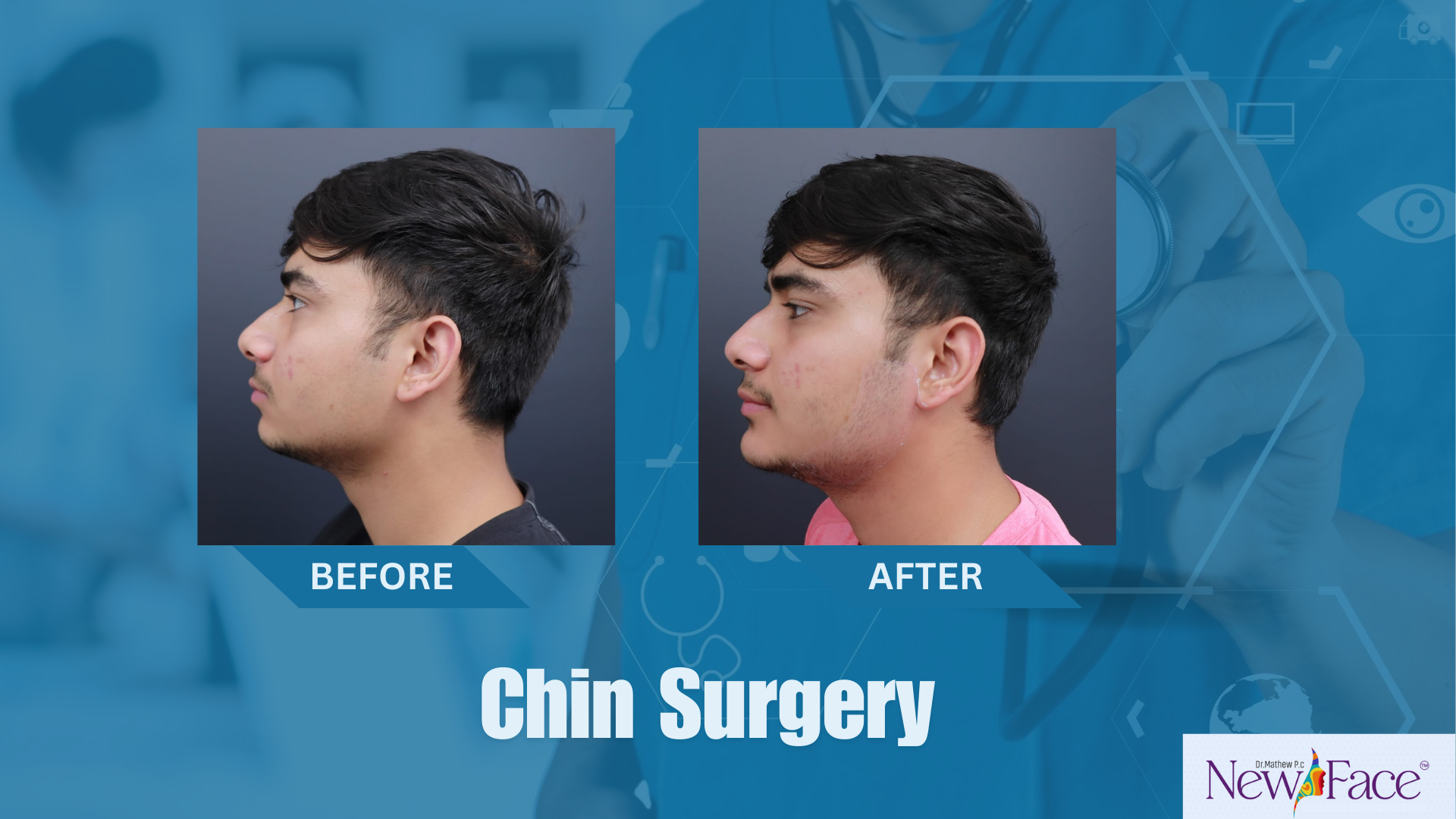
Genioplasty is chin surgery that reshapes or repositions the chin bone, or adds an implant, to change the size, shape or position of the chin and improve facial balance. In sliding genioplasty the chin bone is cut and moved; in implant augmentation an implant is placed over the bone. This guide explains genioplasty in Kerala and India: the types, how the procedure is done, risks and recovery. Genioplasty services are available at Newface, Chengannur, Kerala.
What Is Genioplasty?
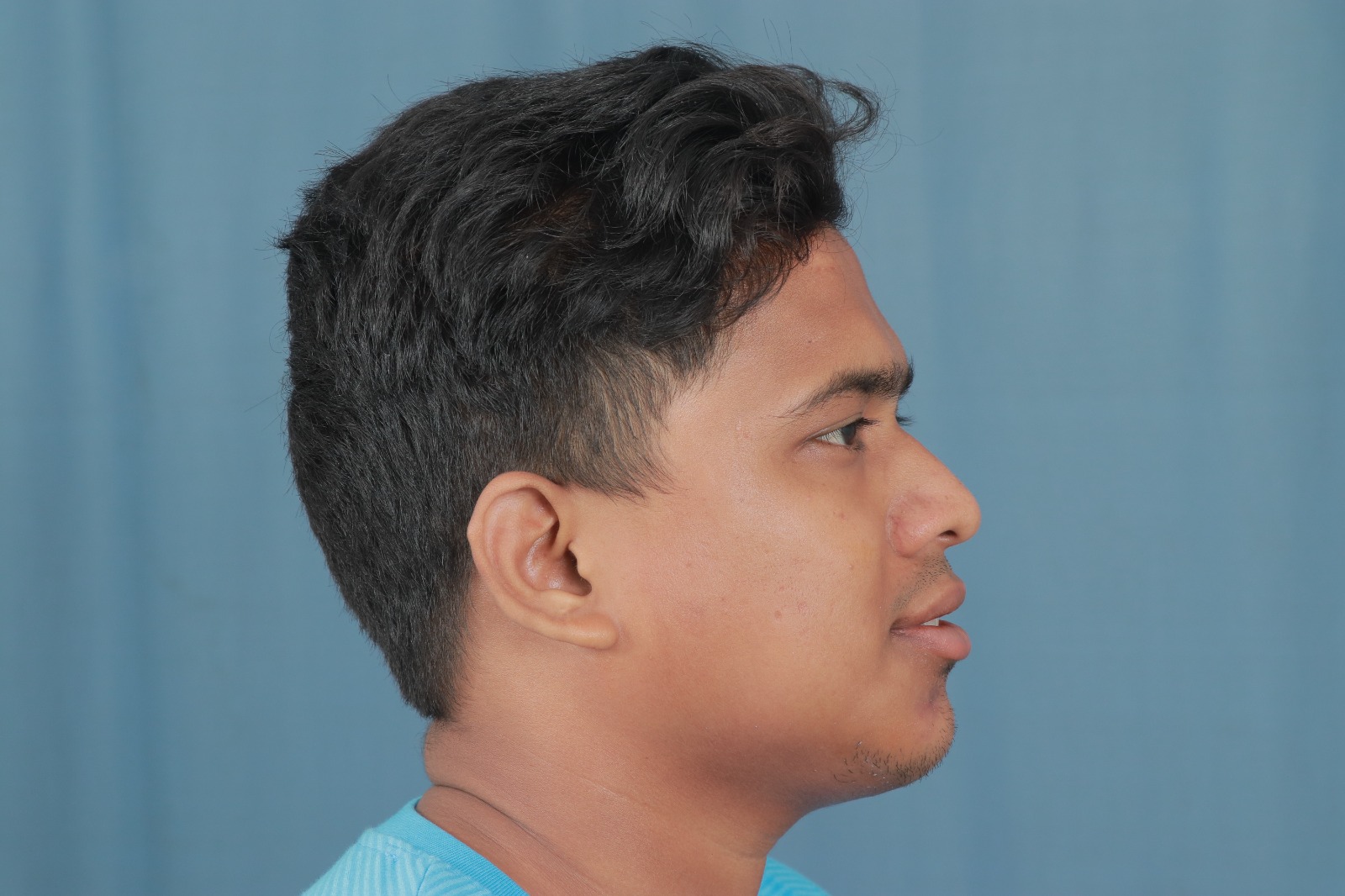
Genioplasty is a procedure to improve facial harmony by moving or reshaping the chin. It is usually performed by oral and maxillofacial surgeons who have specific training in surgery of the head, face, mouth and jaw. Plastic surgeons with the required training and experience may also perform it.

Who May Consider Genioplasty?
Genioplasty may be considered for:
- A small or receding chin (microgenia)
- A large, prominent or long chin
- A chin that is too short, too tall or asymmetrical
- Facial asymmetry involving the chin
- A bite problem linked to the chin position, where it is planned together with jaw surgery
It is most often done for cosmetic reasons, and sometimes for functional ones. Adults in good general health with realistic expectations may be considered after assessment.
Types of Genioplasty
There are two main types of surgical chin procedure, and some doctors use the terms interchangeably. Both aim to change the chin shape.
1. Sliding Genioplasty
In a sliding genioplasty, the surgeon cuts the chin bone away from the rest of the jaw, repositions it forward, backward, up, down or sideways, and fixes it in its new position with plates and screws. It can be used to correct a receding or protruding chin or to even out an asymmetrical chin.
2. Implant Augmentation
An implant, usually made of silicone or a similar material, is placed over the existing chin bone to improve its projection or shape. The surgeon positions the implant through a small incision and secures it. Some people choose non-surgical options such as dermal fillers around the chin and jaw, which dissolve over time and may need to be repeated.
Related Terms
You may see these terms used for chin procedures:
- Chin enhancement surgery and cosmetic chin surgery: general terms for procedures that improve how the chin looks.
- Chin reshaping: changing the contour of the chin, which genioplasty does by adjusting the bone.
- Chin augmentation: adding projection, either by moving the bone forward in a sliding genioplasty or by using an implant.
Before Genioplasty
Before surgery, you will have a consultation. The surgeon reviews your medical history and current health, asks what you hope to change, examines your face, and may arrange X-rays and a CT scan of the jaw. Based on this, the surgeon plans the procedure. For a sliding genioplasty this includes where to cut the bone and at what angle. For an implant it includes the type, size and shape of the implant.
You will be told when to stop eating and drinking before surgery. Chin surgery is usually done under general anaesthesia, so plan for transport and help afterwards.
How Is Sliding Genioplasty Done?
- An incision is made inside the mouth along the lower gum line, so there is no visible scar on the chin.
- The surgeon exposes the chin bone and makes a planned cut below the roots of the lower teeth.
- The bone segment is moved to its new position. If the chin needs to be made smaller or moved back, a wedge of bone may be removed.
- The bone is fixed with a metal plate and screws, and the incision is stitched closed.
- Compression tape may be applied over the chin to reduce swelling.
A short hospital stay is usual after a sliding genioplasty so that healing can be monitored, and your surgeon will explain the care instructions before you go home.
How Is Implant Augmentation Done?
The surgeon makes a small incision, inside the mouth or under the chin, and places the implant against the chin bone. The implant is secured, and the incision is closed with stitches. This usually takes less time than a sliding genioplasty, and the aftercare is similar. A fuller change in jaw or bite is not possible with an implant alone.
Recovery After Genioplasty
Recovery depends on the type of procedure, how extensive the surgery is and how your body heals.
- Sliding genioplasty: swelling and soreness are common in the first one to two weeks, and many people return to desk work after about two weeks. Avoid strenuous exercise and contact sports for around 4 to 6 weeks, or until your surgeon says it is safe. The bone takes about 2 to 3 months to heal fully.
- Implant augmentation: many people resume normal activities within about a week.
- Dermal fillers: little recovery time, but the effect is temporary.
- Swelling: it can take up to about 3 months for the last of the swelling to settle, so the final shape becomes clear gradually.
- Care: cold compresses and pain medicines as advised, and sleeping with the head raised for the first one to two weeks.
Attend all follow-up visits so your surgeon can monitor healing.
Risks of Genioplasty
Temporary effects include redness, bruising, tenderness, swelling and numbness. Possible complications include:
- Infection
- Damage to nerves or to the roots of the teeth, which can cause numbness of the lip or chin
- Allergic reaction to filler or implant material
- Movement of the implant or the bone segment
- Asymmetry or a result you are not happy with
- The need for further surgery
Your surgeon should explain these before you decide. Results are not guaranteed and vary from person to person.
Genioplasty and Breathing
In some people, a very small or receding chin is part of a narrow airway. Moving the chin forward may be considered as part of treatment for obstructive sleep apnoea or snoring in selected cases, along with other treatment. This needs a full assessment by a surgeon and a sleep specialist. Read more about snoring treatment in India.
Can Genioplasty Be Combined With Other Procedures?
Genioplasty is sometimes planned together with rhinoplasty, jaw surgery or neck procedures, depending on the person’s concerns. Your surgeon will advise whether combining procedures suits you. See also facial asymmetry correction.
What Affects the Cost of Genioplasty?
The cost depends on the type of procedure, the surgeon’s fees, the hospital, anaesthesia, the implant or filler material, tests and follow-up. A surgeon can give you an estimate after assessing you.
Questions to Ask Your Surgeon Before Surgery
-
Which type of chin surgery suits my concern, and why?
-
What are the alternatives?
- What are the risks that apply to me?
- What can I realistically expect from the result?
- What does recovery involve, and how long will it take?
Frequently Asked Questions
What is genioplasty?
It is chin surgery that reshapes or repositions the chin bone, or adds an implant, to change the size, shape or position of the chin and improve facial balance.
What is the difference between sliding genioplasty and a chin implant?
A sliding genioplasty cuts and repositions the patient’s own chin bone. A chin implant adds material over the bone. Your surgeon recommends the option that suits your anatomy and goals.
Is genioplasty painful?
Surgery is done under anaesthesia, so you do not feel pain during it. Soreness and swelling afterwards are usually managed with prescribed medicines and cold compresses.
Will there be a visible scar after chin surgery?
In most genioplasty procedures the incision is made inside the mouth along the lower gum line, so an external scar is usually avoided. Some implants are placed through an incision under the chin.
How long is the recovery?
Initial recovery usually takes one to two weeks, strenuous activity is avoided for around 4 to 6 weeks, and the bone takes 2 to 3 months to heal. Your surgeon will advise based on your case.
Can genioplasty help with sleep apnoea?
It may be part of treatment in selected cases where a receding chin narrows the airway. A full evaluation by a surgeon and a sleep specialist is needed.
Information provided by: Dr. Mathew P C, [QUALIFICATIONS], Oral and Maxillofacial Surgeon. Registration status: [REGISTERED]. [STATE MEDICAL COUNCIL / NATIONAL MEDICAL REGISTER] registration no.: [NUMBER].
This page provides general health information for education only. It is not a substitute for medical advice and does not promise or guarantee any result. Outcomes vary from person to person.
Newface, 8J4F+X7X, Hatchery Junction, Chengannur, Kerala 689122. Phone: +91 8330077198
Follow Newface: Instagram | Facebook | YouTube