

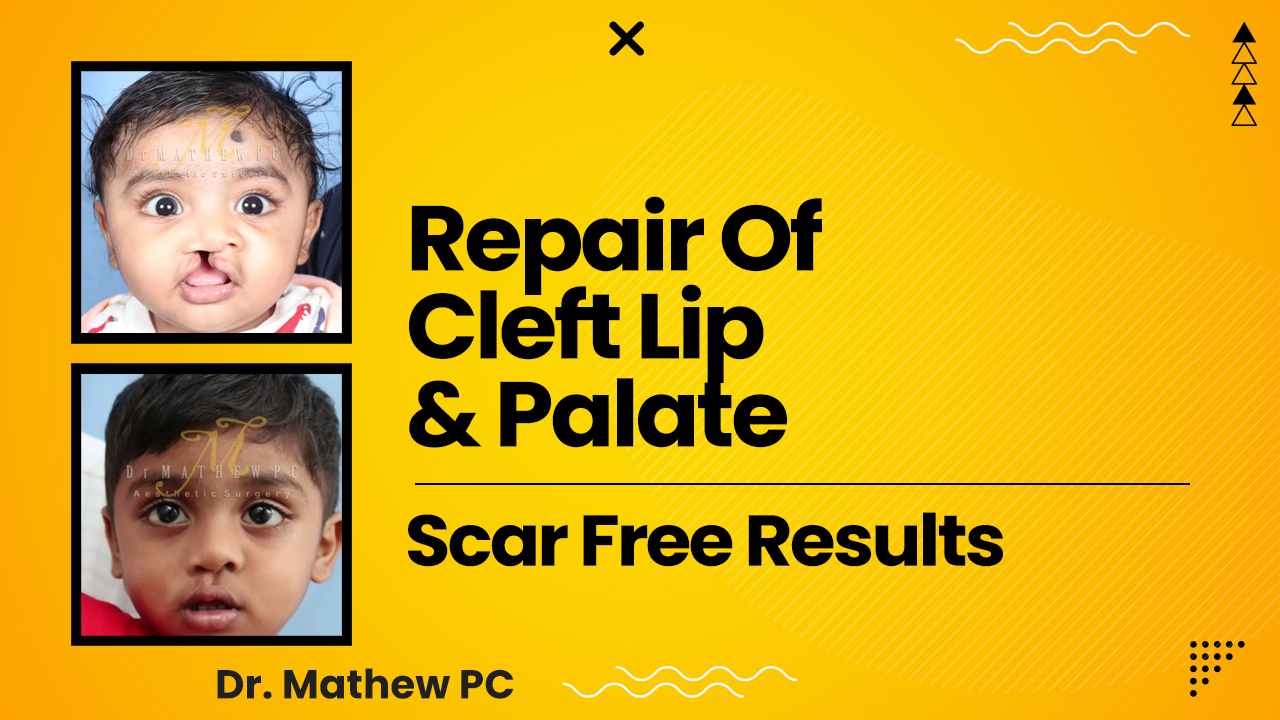
Cleft Lip Surgery in India: Scar Care, Treatment Timeline and What to Expect
Understand cleft lip surgery in India: what to expect from lip repair, scar healing and care, and the cleft care timeline.
Cleft lip surgery repairs the gap in the upper lip so that the lip looks and works as normally as possible. It is usually done in infancy, often at around 3 to 6 months of age, and it always leaves a scar, which is placed along the natural lines of the lip to make it as inconspicuous as possible. A child with a cleft is usually followed by a team over many years, covering feeding, ears and hearing, speech, teeth and jaws. This guide explains cleft lip surgery in India: what to expect from the repair, how scars heal and are cared for, and the cleft care timeline. Cleft lip and palate care is available at Newface, Chengannur, Kerala.
Also read: Cleft Lip and Palate Surgery in Kerala, Microform Cleft Lip, Speech After Cleft Lip and Palate Surgery
What Is a Cleft Lip?
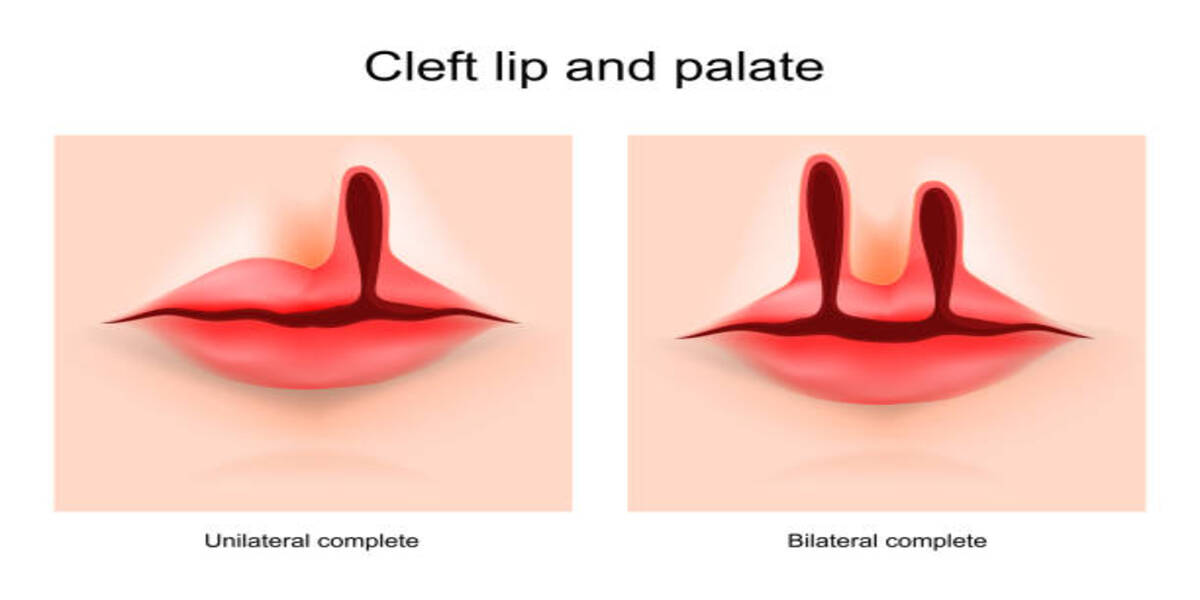
A cleft lip is a gap or split in the upper lip that forms before birth when the tissues of the lip and mouth do not fully join. It can be on one side or both sides, and it can be partial or complete. It may occur on its own or together with a cleft palate, which is an opening in the roof of the mouth. Roughly 1 in 700 babies is born with some form of cleft.
Causes and Detection
The cause is often not known. Genetic factors and environmental factors, such as smoking, alcohol and some medicines in pregnancy, can play a part, and a cleft can also occur in a healthy pregnancy with no family history. A cleft lip can often be seen on a scan during mid-pregnancy, while a cleft palate alone is often not found until birth. Genetic counselling may help families who are planning another pregnancy.
How a Cleft Can Affect a Child
Depending on the type and size of the cleft, a child may have difficulty with:
- Feeding, including sucking, bottle feeding or breastfeeding
- Ear infections and hearing, particularly with a cleft palate
- Learning to speak clearly
- Dental development
- The appearance of the lip and nose, which can affect confidence as the child grows
These are usually managed by a team that may include a cleft surgeon, paediatrician, ENT specialist, speech-language pathologist, dentist and orthodontist.
Cleft Care Timeline
Each child’s care plan is different, and the cleft team decides the timing. A typical timeline is:
- After birth to a few weeks: feeding support, guidance for parents, a hearing check and a paediatric examination.
- About 3 to 6 months: cleft lip repair.
- About 6 to 18 months: cleft palate repair, if a cleft palate is present, as decided by the surgical team.
- Early childhood: speech assessments at several ages, such as around 18 months, 3 years and 5 years, with speech therapy if needed.
- About 8 to 12 years: in some children with a cleft in the gum, an alveolar bone graft, in which bone is placed in the gap in the upper gum, so that the teeth can erupt properly.
- Teens: orthodontic treatment and a review of jaw growth, and in some people jaw surgery or nose surgery once growth is complete.
Regular visits to a cleft centre help monitor the child’s progress and deal with any difficulties.
Cleft Lip Repair Surgery
Cleft lip repair is done under general anaesthesia, usually when the baby is around 3 to 6 months old, depending on the baby’s health. The surgeon makes small, planned incisions along the edges of the cleft, joins the muscle, skin and lining of the lip, and often reshapes the nostril at the same time. The stitches are fine, and many are dissolvable. The operation usually takes one to two hours, and most babies stay in hospital for a day or two. Read more about cleft lip and palate surgery in Kerala.
Scars After Cleft Lip Surgery
Every cleft lip repair leaves a scar. The surgeon places it along the natural lines of the lip, such as the edge of the filtrum and the border of the red lip, to make it as inconspicuous as possible.
- Healing: the scar is red at first, and it usually becomes flatter, softer and paler over several months. It can take a year or longer to settle fully.
- Scar care: your surgeon may advise gentle massage once the wound has healed, protection from the sun, and in some cases silicone gel or sheets. Use only what your surgeon advises.
- Some scars heal differently: children who are prone to thick scars (hypertrophic scars or keloids) may have a scar that stays raised or red, and it may need treatment.
- Later revision: if the scar or the shape of the lip or nose needs improvement as the child grows, a further operation may be considered, often when the face has grown.
How a scar looks varies from child to child, and no surgery can promise a scar-free result.
Cleft Palate Repair
When a cleft palate is present, it is usually repaired in the first 12 to 18 months or so. The surgeon closes the gap in the roof of the mouth and repositions the muscles and lining of the palate, with dissolvable stitches. It is done under general anaesthesia, takes about two hours, and children usually stay in hospital for a few days. The scar from palate repair is inside the mouth.
Ear and Hearing Care
Children with a cleft palate are more likely to get “glue ear”, in which fluid builds up in the middle ear and can affect hearing. Regular hearing tests are part of care. Hearing often improves after palate repair, and if it does not, small tubes (grommets) may be placed in the eardrums to drain the fluid, and sometimes hearing aids are advised.
Speech Therapy
Palate repair greatly improves the chances of clear speech, but some children still need speech therapy, and a few need further treatment of the palate. A speech-language pathologist checks the child’s speech at several ages and works with the family. Read more about speech after cleft palate surgery.
Emotional Support
A child’s cleft, and a visible scar, can sometimes affect self-esteem as the child grows. Open conversations at home, support from the cleft team and, where needed, counselling can help.
Risks of Cleft Lip Surgery
As with any surgery, risks include bleeding, infection, scarring that heals poorly, the wound opening, an uneven lip or nostril, and the need for further surgery. Results are not guaranteed and vary from child to child. Your surgeon should explain these risks before surgery.
What Affects the Cost of Cleft Lip Surgery in India?
The cost depends on the type of cleft, the surgeon’s fees, the hospital, anaesthesia, the length of stay and follow-up care. A surgeon can give you an estimate after assessing your child.
Questions to Ask the Cleft Team
- What type of cleft does my child have, and what treatment is planned?
- When will the surgery be done?
- What are the risks for my child?
- How will the scar heal, and how should I care for it?
- What follow-up does my child need as they grow?
Frequently Asked Questions
At what age is cleft lip surgery done?
Usually at around 3 to 6 months of age, depending on the baby’s health, as decided by the surgical team.
Will there be a scar after cleft lip surgery?
Yes. A scar always remains. The surgeon places it along the natural lines of the lip, and it usually becomes flatter and paler over months to a year.
How can I care for the scar?
Follow your surgeon’s advice, which may include gentle massage once healed, sun protection and silicone products in some cases.
How long does the baby stay in hospital?
Most babies stay a day or two after cleft lip repair.
Will my child need more surgery later?
Some children need further operations as they grow, such as a palate repair, an alveolar bone graft, scar or nose revision, or jaw surgery. The cleft team plans this.
Is scar-free cleft lip surgery possible?
No surgery can promise a scar-free result. The aim is a scar that is as inconspicuous as possible.
Information provided by: Dr. Mathew P C, [QUALIFICATIONS], Oral and Maxillofacial Surgeon. Registration status: [REGISTERED]. [STATE MEDICAL COUNCIL / NATIONAL MEDICAL REGISTER] registration no.: [NUMBER].
This page provides general health information for education only. It is not a substitute for medical advice and does not promise or guarantee any result. Outcomes vary from person to person.
Newface, 8J4F+X7X, Hatchery Junction, Chengannur, Kerala 689122. Phone: +91 8330077198
Follow Newface: Instagram | Facebook | YouTube