

Speech After Cleft Lip and Palate Surgery in India: What to Expect and How Parents Can Help
Understand speech after cleft lip and palate surgery in India: what to expect, how parents can help and when more treatment is needed.
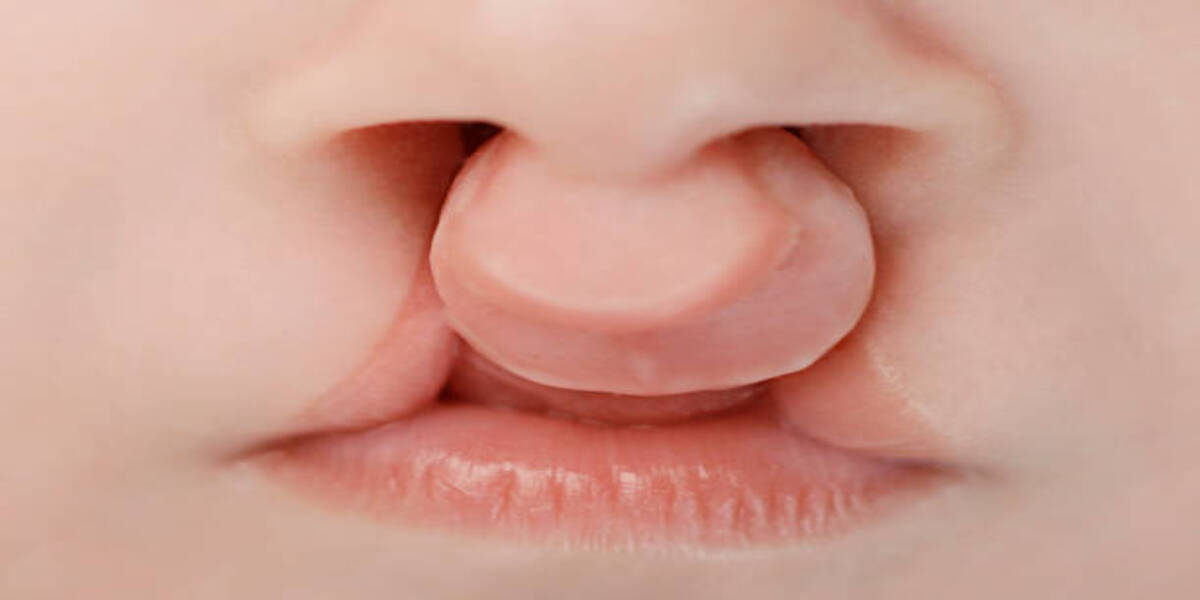
Speech after cleft lip and palate surgery depends on how the palate closes off the nose from the mouth, the child’s hearing and the support the child gets as speech develops. Many children develop clear speech after palate repair, often with speech therapy, while some need further treatment. This guide explains what to expect as your child grows, how parents can help, and when more treatment may be needed. Cleft lip and palate care is available at Newface, Chengannur, Kerala.
Also read: Speech After Cleft Palate Surgery: Challenges and Speech Therapy, Cleft Lip and Palate Surgery in Kerala, Microform Cleft Lip
Why Speech May Be Affected in a Child With a Cleft
A cleft palate is an opening in the roof of the mouth. To speak clearly, the soft palate needs to lift and close off the nose from the mouth, so that air and sound go out through the mouth. A cleft can make this harder before surgery, and in some children it can still be difficult after the palate has been repaired. A cleft lip alone usually has less effect on speech sounds, but the teeth, jaw and hearing can also matter. Speech after cleft lip and palate surgery is therefore monitored as the child grows.
What to Expect as Your Child Grows
- Infancy: a cleft lip is usually repaired at around 3 to 6 months, and a cleft palate within the first 18 months or so, as decided by the surgical team. Speech has not developed yet at this stage, so the repair helps to set up the structure needed for later speech.
- Babbling and first words: the team watches how your child babbles and starts to speak. Babies with a cleft palate may make fewer sounds that need air pressure in the mouth, and some children make sounds at the back of the throat instead.
- Early childhood: a speech-language pathologist assesses speech as it develops, often from around two to three years, and advises on therapy if needed.
- School age: the team reviews speech, hearing, teeth and the jaw as your child grows.
How speech develops differs from child to child.
How Parents Can Help
You can support your child’s speech at home by:
- Talking, reading and singing with your child every day
- Listening patiently, and giving your child time to speak
- Repeating words and sentences back correctly in a relaxed way, instead of correcting your child repeatedly
- Praising clear sounds and good effort
- Helping your child practise the sounds and exercises that the speech therapist recommends
- Keeping all ear, hearing, speech and cleft team appointments
Your child’s doctor or speech therapist can give you more ideas that suit your child’s age and stage.
Speech Therapy for Cleft Lip and Palate
Speech therapy in India for children with a cleft is provided by a speech-language pathologist, ideally one with experience in cleft care, who follows your child through the stages of speech development. Therapy aims to improve sound production, clear speech and confidence. Speech therapy helps with sound habits, but it cannot correct a structural problem with the palate.
Hearing and Ear Care
Children with a cleft palate are more likely to have middle ear infections and fluid in the ear, which can affect hearing and slow speech development. Regular hearing checks and an ENT review are therefore an important part of care.
When Is More Treatment Needed?
Some children need further treatment to improve their speech. If the speech therapist or surgeon finds that the palate does not close off the nose from the mouth properly during speech (velopharyngeal insufficiency), tests such as a nasoendoscopy or a speech study may be advised to see how the palate works. If the structure is the problem, a second operation on the palate and the back of the throat may be recommended. The timing depends on the child and is decided by the cleft team, often in the preschool years so that the child can produce the sounds needed when starting school.
After this operation, speech therapy usually continues to help the child learn to use the new palate for speech. A short hospital stay is usual after speech surgery, and the surgeon explains the aftercare. Not every child needs it, but families should know that follow-up care may be needed.
Risks of Secondary Speech Surgery
As with any surgery, risks include bleeding, infection, breathing or sleep problems after the operation, including snoring or sleep apnoea, and the need for more treatment. Results are not guaranteed. The surgeon explains the risks before surgery.
Benefits of Cleft Treatment
Treatment of a cleft lip and palate can make it easier for a child to feed, breathe and speak, and can improve the look of the lip and nose. These changes can support a child’s confidence. Each child responds differently, so discuss what to expect in your child’s case with the cleft team.
Questions to Ask Your Child’s Team
- How is my child’s speech developing?
- When should speech therapy start, and how often?
- Does my child’s hearing need to be checked?
- Could my child need further treatment, and when would we know?
- How can I support speech at home?
Frequently Asked Questions
Will my child’s speech be normal after cleft palate surgery?
Many children develop clear speech after palate repair, often with speech therapy. Some continue to have speech difficulties, and a few need further treatment. It depends on the child.
When does a child with a cleft palate start speech therapy?
A speech-language pathologist can assess your child as speech develops, often in the first few years of life, and your cleft team advises on timing.
Is speech after cleft surgery slower to develop?
It can be in some children, which is why speech, hearing and development are watched regularly.
Why does my child sound nasal?
It can happen when the palate does not fully close off the nose from the mouth during speech. Your cleft team can assess this.
Will my child need a second operation for speech?
Not always. If tests show that the palate does not close properly during speech, a second operation may be advised, and the timing is decided by the cleft team.
How can I help my child’s speech at home?
Talk, read and sing with your child, give your child time to speak, praise clear sounds, and practise what the speech therapist recommends.
Information provided by: Dr. Mathew P C, [QUALIFICATIONS], Oral and Maxillofacial Surgeon. Registration status: [REGISTERED]. [STATE MEDICAL COUNCIL / NATIONAL MEDICAL REGISTER] registration no.: [NUMBER].
This page provides general health information for education only. It is not a substitute for medical advice and does not promise or guarantee any result. Outcomes vary from person to person.
Newface, 8J4F+X7X, Hatchery Junction, Chengannur, Kerala 689122. Phone: +91 8330077198