

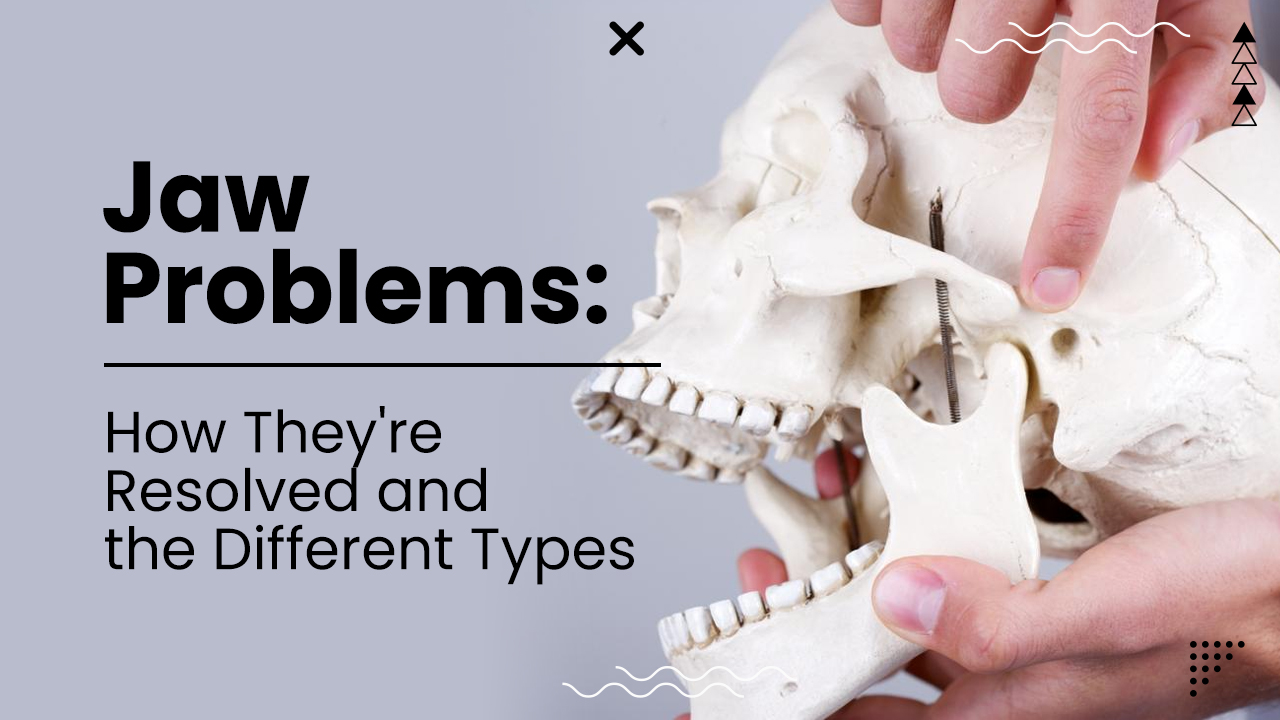
Common Jaw Problems: Types, Causes, Symptoms and Treatment Options
Learn about common jaw problems: types, causes, symptoms and treatment options, from bite problems and jaw misalignment to TMJ disorders.
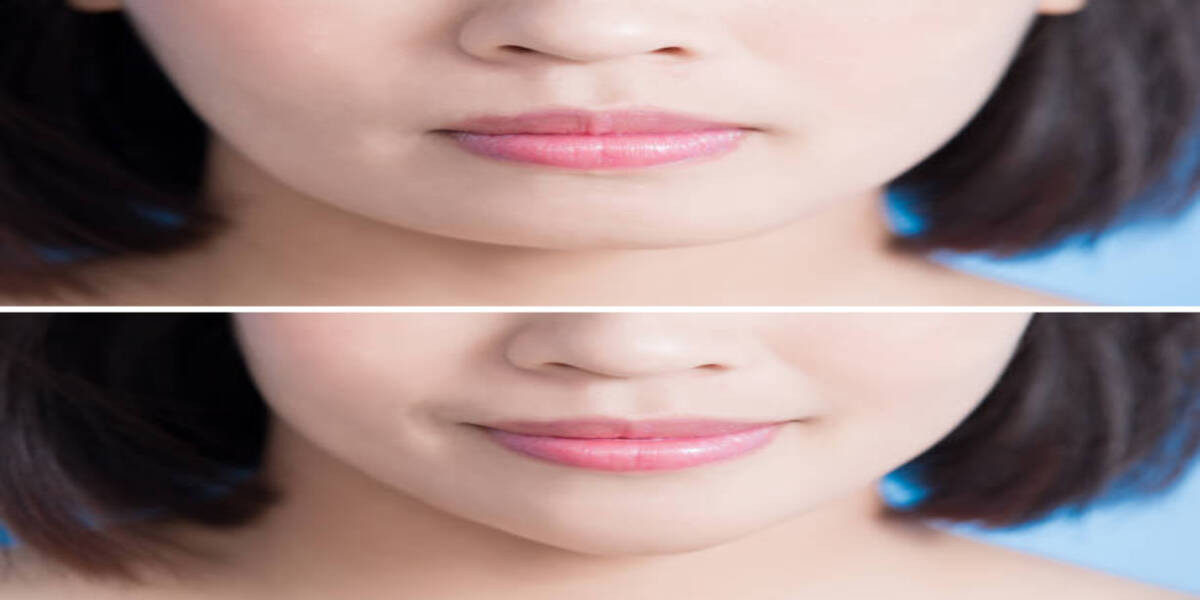
Common jaw problems include a receding or overgrown upper or lower jaw, bite problems such as overbite, underbite and open bite, jaw joint (TMJ) disorders, jaw pain and clicking, and sleep apnea linked to jaw position. They can be caused by growth and genetic factors, injury, habits such as teeth grinding, or disease. Treatment depends on the cause and may include medicines, splints, physiotherapy, braces or surgery. This guide explains the types of common jaw problems and how they are treated. Jaw surgery is available at Newface, Chengannur, Kerala.
Also read: Corrective Jaw Surgery in Kerala, TMJ Surgery in India, Jaw Surgery in Kerala
Why Do Jaw Problems Occur?
Jaw problems are common, and many people have some jaw or bite concern at some point in their lives. Causes include:
- Growth and genetics: the jaws may grow too little, too much, or in an uneven way, and these patterns can run in families.
- Injury: a blow to the face or jaw can cause a fracture or joint damage.
- Habits: teeth clenching or grinding (bruxism), nail biting, thumb sucking in childhood or chewing on one side.
- Disease and ageing: conditions such as arthritis, gum disease, tooth loss and ageing can change the jaw.
- Birth conditions: such as a cleft lip and palate or other congenital differences.
Types of Common Jaw Problems
Receded (Underdeveloped) Upper Jaw
The upper jaw may be set back or be small because of genetics, growth differences or other conditions. It can make the teeth crowded or crooked, and can contribute to bite, speech, chewing or breathing difficulties. In children, a doctor may use orthodontic appliances to guide growth. In adults whose growth is complete, correction may need orthodontic treatment with jaw surgery to reposition the upper jaw, planned together with an orthodontist.
Overbite
An overbite occurs when the upper front teeth overlap the lower teeth too much, or the upper jaw sits too far forward compared to the lower jaw. Causes include genetics, habits and misaligned teeth. An overbite can lead to speech problems, difficulty chewing and wear on the teeth. Mild cases may be treated with braces. In more severe cases where the jaws are the cause, jaw surgery may be advised.
Receded Lower Jaw and Small Chin
A receded lower jaw is one in which the lower jaw sits behind its usual position, so the chin looks small or set back. It can be due to growth differences or other causes. Treatment depends on the cause and may include orthodontic treatment, jaw surgery to move the lower jaw forward, and in some people chin surgery (genioplasty). Read more about genioplasty. Tooth loss and gum disease are managed by a dentist and are different from a jaw growth problem.
Overgrown Lower Jaw (Underbite)
The lower jaw may grow too far forward, which makes the chin look prominent and the lower teeth sit in front of the upper teeth (an underbite). It can be due to genetics, injury or, rarely, a tumour. Mild cases may be improved with braces. When the jaw itself is the cause, surgery that moves the lower jaw back, sometimes along with the upper jaw, may be advised. Read more about lower jaw protrusion surgery.
Open Bite
In an open bite the front teeth do not meet when the back teeth are closed. It can be caused by habits such as thumb sucking, by the tongue position, or by the way the jaws have grown. Orthodontic treatment may be enough in some people, and jaw surgery may be needed in others.
Other Common Jaw Problems and How They Are Treated
- TMJ disorders (TMD): problems with the temporomandibular joint, the joint that connects the lower jaw to the skull. They can cause pain in the jaw, face, neck or around the ear, difficulty opening the mouth wide, locking, and clicking. They are usually first treated with self-care, medicines, a bite splint and physiotherapy, and surgery is considered only in selected cases when these do not help. Read more about TMJ disorders and surgery.
- Sleep apnea: a sleep disorder in which breathing repeatedly pauses during sleep. It has several causes, and jaw position can be one of them. Treatment depends on the type and severity and may include lifestyle changes, a CPAP machine, an oral appliance or surgery. Read more about sleep apnea treatment in India.
- Jaw pain: can have many causes, including muscle strain, teeth grinding, jaw joint problems and dental problems. It is often treated with pain relievers, rest, a splint or physiotherapy after the cause has been found.
- Clicking or popping: a clicking jaw is common, and if there is no pain and the jaw moves normally, treatment is usually not needed. If it comes with pain, locking or limited opening, see a doctor.
- Orthodontic problems: crooked or crowded teeth and bite problems are usually treated with braces or other appliances. In some people with jaw-related causes, jaw surgery is needed as well.
Factors That Affect Jaw Problems
- Diet and habits: very hard or chewy foods, chewing gum often, nail biting and chewing on one side can strain the jaw.
- Stress: may lead to clenching or grinding of teeth, which can contribute to TMJ problems.
- Genetics: jaw shape and growth patterns can run in families.
- Oral health: gum disease and missing teeth can affect the bite and the jaw.
Treatment Options for Jaw Problems
Depending on the cause and the severity, treatment may include:
- Self-care, such as a soft diet and rest for the jaw
- Medicines for pain and inflammation
- Splint therapy
- Physiotherapy and jaw exercises
- Orthodontic treatment (braces or aligners)
- Surgery, for example corrective jaw surgery (orthognathic surgery) or, in selected cases, TMJ surgery
Your doctor will advise the right treatment after an assessment.
What to Expect After Jaw Surgery
If surgery is advised, the jaw bones are repositioned and held in place with small plates and screws, which usually stay in. Elastics or wires may be used for a time to guide the bite, and braces are used to finish the bite. The bones usually heal over several weeks. Read more about jaw surgery recovery time.
Risks of Jaw Surgery
As with any major surgery, risks include swelling, bleeding, infection, numbness of the lip or chin, jaw joint problems and the jaw shifting back (relapse). Your surgeon should explain these before you decide. Results are not guaranteed and vary from person to person.
When to See a Doctor
See a doctor or dentist if you have jaw pain that does not settle, trouble opening or closing the mouth, a locked jaw, difficulty chewing or speaking, a bite that feels uneven, or an injury to the jaw. Early assessment helps find the cause and the right treatment. Ignoring a problem can allow it to get worse.
Questions to Ask Your Doctor
- What is causing my jaw problem?
- Which treatment suits it, and what are the alternatives?
- What are the risks that apply to me?
- How long will treatment take?
- What does recovery involve, if surgery is advised?
Frequently Asked Questions
What are the common jaw problems?
They include a receding or overgrown upper or lower jaw, bite problems such as overbite, underbite and open bite, TMJ disorders, jaw pain and clicking, and sleep apnea linked to jaw position.
What causes jaw problems?
Growth and genetic factors, injury, habits such as teeth grinding, disease and ageing, and birth conditions such as a cleft lip and palate.
How are jaw problems treated?
Treatment depends on the cause and may include medicines, splints, physiotherapy, braces or surgery.
When is jaw surgery needed?
When a jaw problem cannot be corrected with braces or other treatment alone and affects chewing, speech, breathing or facial balance.
Is a clicking jaw serious?
Clicking without pain and with normal movement usually does not need treatment. See a doctor if there is pain, locking or limited opening.
Do plates and screws from jaw surgery have to be removed?
Usually not. They are small and stay in place, and are removed only if they cause a problem.
Information provided by: Dr. Mathew P C, [QUALIFICATIONS], Oral and Maxillofacial Surgeon. Registration status: [REGISTERED]. [STATE MEDICAL COUNCIL / NATIONAL MEDICAL REGISTER] registration no.: [NUMBER].
This page provides general health information for education only. It is not a substitute for medical advice and does not promise or guarantee any result. Outcomes vary from person to person.
Newface, 8J4F+X7X, Hatchery Junction, Chengannur, Kerala 689122. Phone: +91 8330077198
Follow Newface: Instagram | Facebook | YouTube